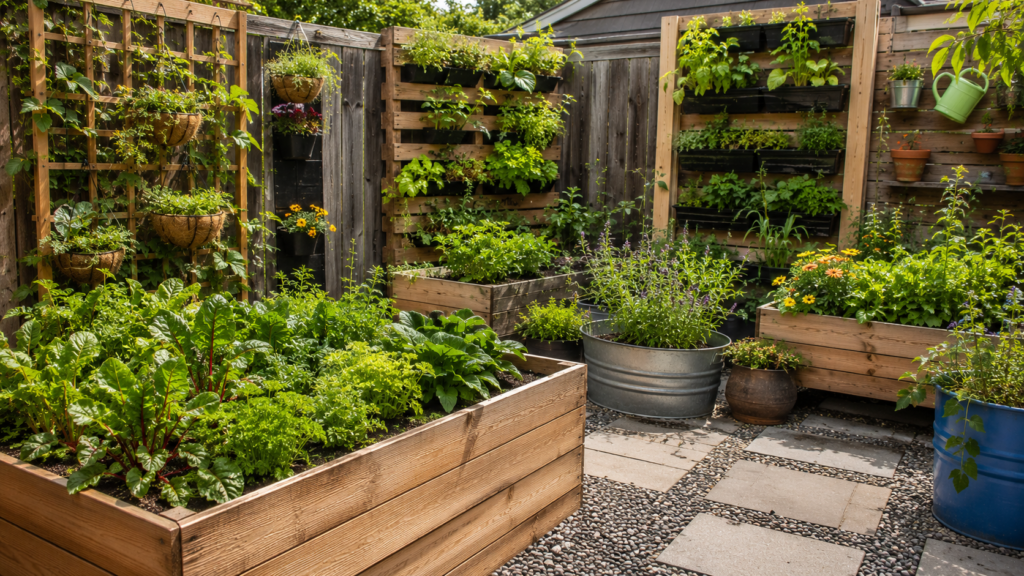
DIY backyard planter ideas make it easier to grow vegetables, herbs, flowers, and decorative plants without needing expensive gardening setups. These planter systems work well in both large and small backyards while improving organization, planting efficiency, drainage control, and overall gardening productivity.
Raised beds, recycled containers, vertical gardening systems, pallet planters, and compact planter boxes allow homeowners to create highly customizable gardening spaces based on their budget, available sunlight, and outdoor layout.
Why DIY Planters Are Popular
DIY backyard planters have become extremely popular because they combine affordability, practicality, customization, and space-efficient gardening into one flexible outdoor solution. Many homeowners prefer personalized planter systems that better fit their backyard dimensions, planting goals, and available outdoor space.
DIY backyard planters are popular because they provide:
- Better backyard organization
- Lower gardening costs
- Flexible planter sizing
- Improved drainage control
- Easier weed management
- Stronger visual landscaping appeal
- Better accessibility for beginners
- More efficient use of small outdoor spaces
Many successful backyard gardens start with only a few simple planter boxes or recycled container systems before expanding into larger gardening layouts over time.
Cheapest DIY Planter Ideas
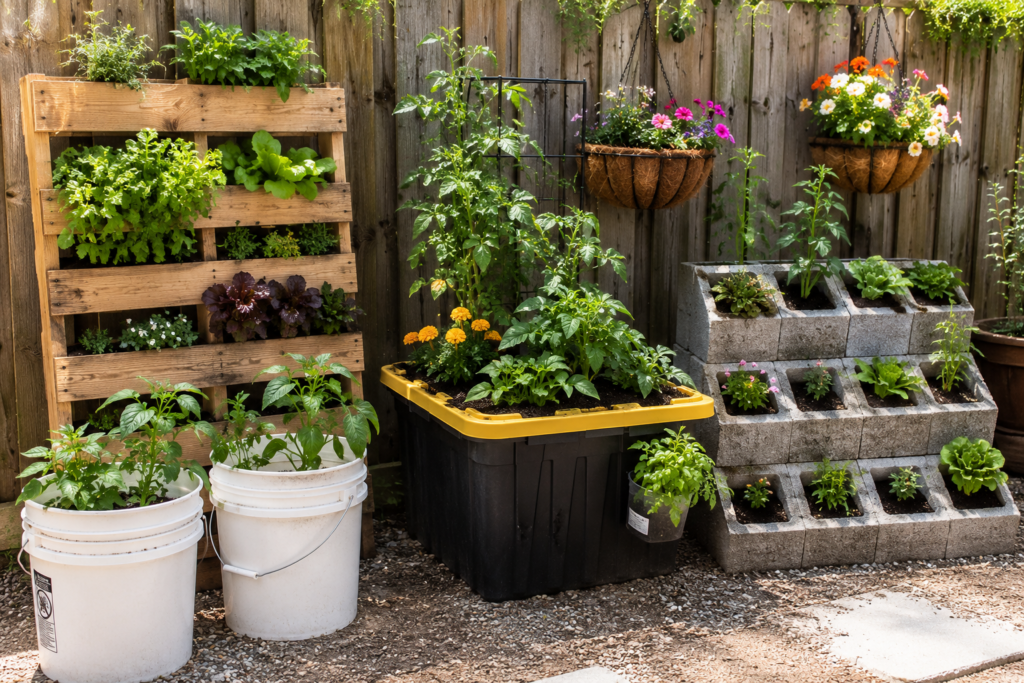
The cheapest DIY backyard planter ideas usually use recycled materials, simple construction methods, and containers requiring minimal woodworking experience.
Food-safe buckets, recycled storage containers, pallet planters, hanging baskets, and reused barrels remain among the most affordable gardening solutions available today. Pallet gardens are especially popular because many businesses give away unused pallets for free or very low cost.
Some of the cheapest DIY planter options include:
- Wooden pallet planters
- Food-grade buckets
- Recycled storage bins
- Hanging basket systems
- Old wooden crates
- Metal tubs
- Reused barrel gardens
- Concrete block planters
Long-term durability still matters because weak untreated materials may deteriorate quickly outdoors and require replacement sooner than weather-resistant alternatives like cedar.
DIY Planter Cost
DIY backyard planter costs vary depending on planter size, material quality, drainage setup, soil volume, and overall backyard design goals. Small recycled container gardens may cost very little, while larger raised beds with premium materials and irrigation systems require higher upfront investment.
Estimated DIY backyard planter costs:
| Planter Type | Estimated Cost |
| Bucket Garden | $5–$20 |
| Pallet Planter | $10–$40 |
| Concrete Block Bed | $30–$90 |
| Vertical Herb Wall | $30–$120 |
| Raised Cedar Bed | $80–$250 |
| Decorative Modern Planter | $100–$400 |
One commonly overlooked expense is soil volume. Large raised planter beds often require significant amounts of potting mix, compost, drainage material, and organic matter, which can increase total project costs faster than many beginners expect.
Backyard Planter Budget Tips:
- Calculate soil costs before building large beds
- Balance durability with upfront affordability
- Start small before expanding planter systems
- Use recycled materials carefully to reduce costs
- Prioritize drainage and structural stability first
- Invest more in long-term outdoor materials when possible
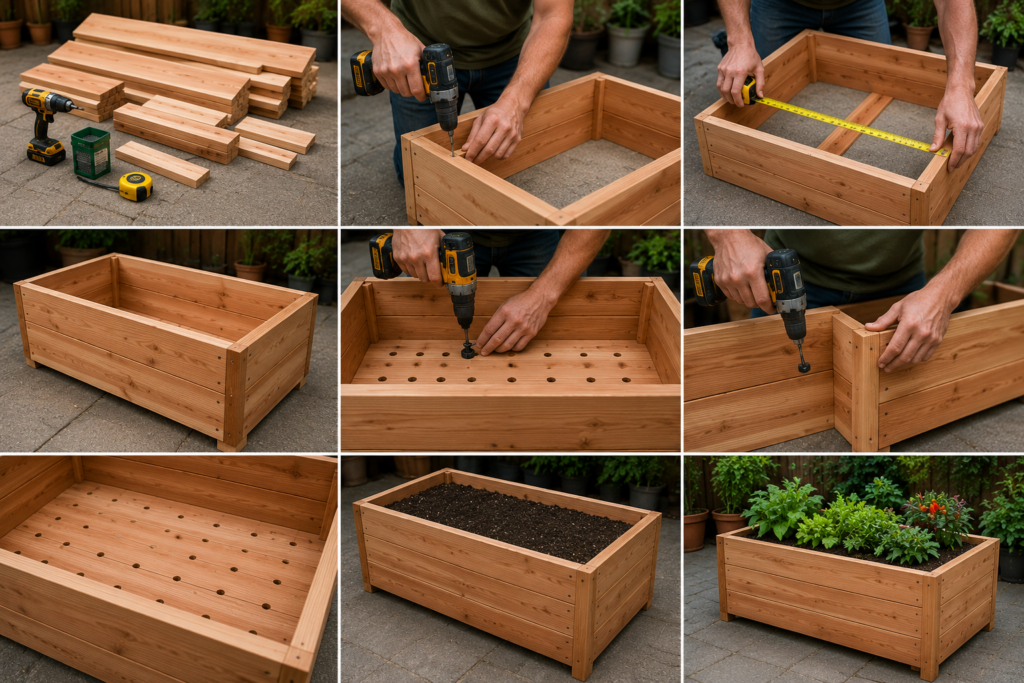
Build a Wooden Planter Box
A simple wooden backyard planter box is one of the easiest DIY gardening projects because it combines basic construction with long-term outdoor functionality.
Cedar remains one of the most recommended woods because it naturally resists moisture, insects, and outdoor decay far better than weaker untreated wood options.
Basic tools usually include:
- Measuring tape
- Power drill
- Saw
- Exterior screws
- Sandpaper
Most beginner gardeners start with a planter roughly 4 feet long, 2 feet wide, and 18 inches deep because this size supports vegetables, herbs, flowers, and mixed garden combinations comfortably.
Drainage holes are one of the most important structural features because trapped water quickly damages roots and weakens planter durability over time.
Planter elevation also improves long-term performance by increasing airflow underneath the box and reducing moisture buildup around the bottom frame.
Simple Wooden Planter Box Tips:
- Use cedar for better outdoor durability
- Add multiple drainage holes at the base
- Elevate planter boxes slightly above ground level
- Use deep containers for vegetables with larger roots
- Secure corners tightly to prevent wood shifting
- Seal outdoor wood periodically for longer lifespan
Are Raised Planters Worth It?
Raised backyard planters are often worth building because they improve drainage, soil quality control, weed management, and overall backyard organization compared to traditional ground gardening. They are especially useful in areas with poor native soil, rocky terrain, compacted ground, or inconsistent drainage conditions.
Gardeners can create ideal growing conditions for vegetables, herbs, flowers, and decorative plants without depending on existing backyard soil quality.
Raised backyard planters improve gardening by providing:
- Better drainage systems
- Easier weed control
- Cleaner planting organization
- Reduced soil compaction
- Easier seasonal maintenance
Larger raised beds require more soil initially and may dry out faster during hot weather, especially in smaller containers with shallow depth.
Raised planters usually perform best when homeowners prioritize drainage, soil depth, and durable outdoor materials instead of focusing only on decorative appearance.
Best DIY Planters for Small Yards
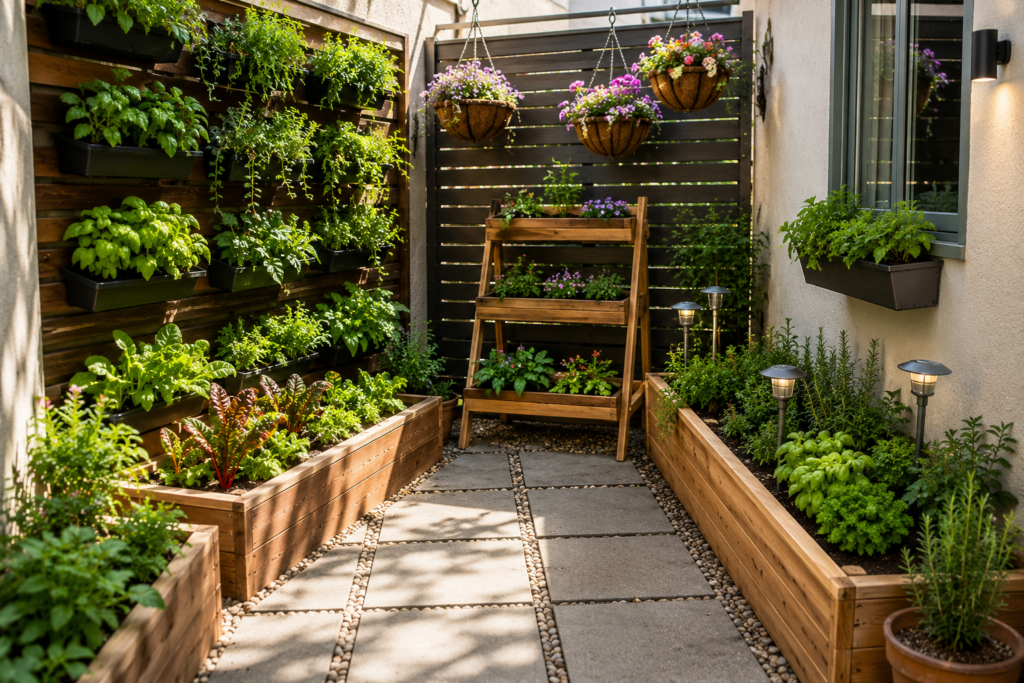
Small backyards require planter systems that maximize planting space without creating clutter or limiting movement. The best DIY planters for compact outdoor areas usually combine vertical gardening, compact layouts, and flexible containers that improve both functionality and backyard aesthetics. Small backyards need planter systems that maximize space without clutter.
Vertical gardening systems are especially effective because they increase growing capacity upward instead of outward. Wall-mounted herb gardens, pallet planter systems, ladder shelves, and hanging baskets help maximize limited space while keeping pathways open and organized.
Best DIY planters for small backyards include:
- Vertical herb walls
- Slim raised planter beds
- Hanging basket systems
- Stackable containers
- Corner planter boxes
- Tiered wooden planters
- Pallet vegetable gardens
- Rolling planter carts
Proper spacing is critical in compact backyard gardening. Oversized planter boxes and overcrowded layouts often reduce accessibility and make small patios feel tighter. Combining vertical gardening systems with a few compact raised beds usually creates the best balance between planting productivity, airflow, and comfortable movement space.
Recycled Backyard Planters
Recycled materials can work well for backyard planters when they provide safe structure, proper drainage, and long-term outdoor durability. Many gardeners reuse pallets, buckets, barrels, wooden crates, metal containers, and storage bins to create affordable planter systems while reducing material waste.
Pallet safety is especially important for edible gardening projects. Only heat-treated pallets marked “HT” should be used because chemically treated wood may contain harmful substances unsuitable for vegetables or herbs.
Drainage holes and slight container elevation help prevent standing water and root damage in recycled planters.
Recycled Backyard Planter Tips:
- Use heat-treated pallets only
- Add drainage holes to reused containers
- Inspect recycled wood for rot or chemical stains
- Avoid containers previously used for toxic materials
- Elevate recycled planters to improve airflow
- Combine recycled materials with sustainable gardening practices
Long-Lasting Planter Materials
Choosing durable backyard planter materials helps reduce replacement costs, improve weather resistance, and support long-term outdoor gardening performance. Material lifespan varies significantly depending on moisture exposure, climate conditions, soil contact, and maintenance quality.
Cedar remains one of the most popular choices for backyard planter boxes because it naturally resists moisture, insects, and decay without requiring heavy chemical treatment. Redwood also performs extremely well outdoors but usually costs more than cedar. Composite materials offer very high durability with minimal maintenance, while galvanized steel planters resist rot and perform well in wet environments.
Outdoor Backyard Planter Material Comparison:
| Material | Lifespan | Cost Level | Best Use |
| Cedar | High | Medium | General backyard planters |
| Redwood | Very High | High | Premium outdoor projects |
| Composite | Very High | High | Low-maintenance gardening |
| Galvanized Steel | Very High | Medium-High | Wet climates and modern designs |
| Pressure-Treated Lumber | High | Medium | Large outdoor structures |
| Pine | Low-Medium | Cheap | Short-term DIY projects |
Long-Lasting Backyard Planter Tips:
- Choose cedar or composite for balanced durability
- Use galvanized steel in rainy or humid climates
- Avoid constant ground moisture beneath wooden planters
- Elevate planter boxes slightly for better airflow
- Seal outdoor wood periodically for longer lifespan
- Match material choice with climate and maintenance expectations
Safe DIY Planter Materials
Safe planter materials help protect soil quality, plant health, and long-term gardening safety. Cedar, redwood, composite boards, untreated natural wood, metal containers with proper drainage, and food-safe plastic planters are among the most commonly used options for backyard gardening projects.
Reclaimed pallets can sometimes be used for planter construction, but only heat-treated pallets marked “HT” are considered safer for gardening use. Chemically treated or unknown pallets should be avoided around edible plants.
Safe Backyard Planter Material Tips:
- Choose untreated or food-safe materials for edible plants
- Use heat-treated pallets only when clearly marked
- Avoid chemically treated unknown wood sources
- Ensure all containers include proper drainage
- Select weather-resistant materials for wet climates
- Inspect older recycled materials before reuse
Best Vegetables for Planters
Many vegetables grow successfully in backyard planters when containers provide enough root depth, sunlight, and drainage support. Raised beds and deep planter boxes work especially well for tomatoes, peppers, cucumbers, lettuce, spinach, carrots, and green onions.
Root depth directly affects long-term vegetable growth because shallow containers dry out faster and restrict larger root systems. Fruiting vegetables like tomatoes and peppers typically need deeper soil compared to leafy greens or herbs.
Positioning planters in brighter backyard areas improves growth consistency throughout the season.
Companion planting can further improve planter efficiency by grouping vegetables that support each other’s growth patterns, airflow, or pest resistance.
Smart Vegetable Planter Tips:
- Use deeper containers for large root systems
- Place sun-loving vegetables in bright open areas
- Avoid overcrowding heavy-feeding plants together
- Combine compatible vegetables through companion planting
- Rotate seasonal crops to maintain healthier soil
- Support climbing vegetables with vertical structures
Best Herbs for Planters
Herbs adapt extremely well to backyard planters because most varieties thrive in compact containers, raised beds, vertical systems, and small patio gardens. Basil, parsley, thyme, rosemary, oregano, cilantro, and chives are among the most popular choices for outdoor herb planters.
Mint requires special attention because its aggressive root system spreads rapidly and can overwhelm nearby plants inside shared containers or raised beds. Keeping mint isolated in separate pots helps prevent uncontrolled growth.
Wall-mounted containers and stacked herb planters increase growing capacity while keeping outdoor areas organized.
Smart Herb Planter Tips:
- Keep mint in separate containers
- Use vertical herb systems in compact spaces
- Harvest herbs regularly to encourage fuller growth
- Combine herbs with similar watering needs
- Avoid oversized containers for small herb varieties
- Place sun-loving herbs in brighter outdoor areas
Why Drainage Matters
Proper drainage prevents excess moisture from collecting around plant roots, helping reduce root rot, fungal growth, soil compaction, and long-term planter damage.
Drainage holes at the bottom of planter boxes allow excess water to escape after watering or rainfall.
Backyard Planter Drainage Tips:
- Always include drainage holes in planter bottoms
- Use gravel layers carefully to support water movement
- Elevate containers slightly above solid surfaces
- Avoid compacted soil mixes that trap moisture
- Inspect drainage holes regularly for blockages
- Use lightweight potting mixes for better airflow
Common Planter Mistakes
Many backyard planter problems develop from poor planning rather than difficult gardening conditions. Overcrowding plants inside small containers restricts airflow, increases disease risk, and causes roots to compete aggressively for moisture and nutrients.
Poor sunlight placement is another common issue. Planters positioned in heavily shaded areas often produce weak vegetable growth, leggy herbs, and reduced flowering performance. Understanding daily sunlight direction before installation helps prevent long-term growth problems.
Shallow soil depth also limits root development, especially for vegetables, climbing plants, and larger ornamental species. Small containers dry out faster during hot weather and usually require more frequent watering.
Drainage failure remains one of the most damaging planter mistakes because trapped moisture gradually leads to root rot, fungus buildup, compacted soil, and structural planter damage.
Common Backyard Planter Mistakes to Avoid:
- Overcrowding too many plants into small spaces
- Ignoring daily sunlight patterns
- Using containers with insufficient soil depth
- Forgetting drainage holes at the planter base
- Blocking airflow between tightly packed planters
- Choosing plants unsuited for container growing
Vertical Planters for Small Spaces
Vertical planters help maximize growing space in tiny patios, narrow side yards, balconies, and compact backyard layouts where traditional raised beds may not fit comfortably. Wall-mounted systems, stacked containers, ladder shelves, and hanging planters allow homeowners to grow herbs, flowers, strawberries, and decorative greenery without using large amounts of floor space.
One common challenge with vertical planters is uneven watering. Upper containers often dry out faster while lower sections may collect excess moisture. Proper drainage holes, lightweight soil mixes, and routine watering checks help maintain balanced moisture throughout the system.
Smart Vertical Planter Tips:
- Secure heavy wall planters properly before planting
- Use lightweight potting mixes to reduce wall strain
- Group plants with similar watering needs together
- Install drip irrigation for easier maintenance
- Avoid overcrowding vertical rows with dense foliage
- Place sun-loving plants on brighter upper sections
Arrange Planters for Sunlight
Backyard planter arrangement directly affects plant growth, accessibility, airflow, watering efficiency, and overall backyard aesthetics. Strategic layout planning improves both productivity and visual organization significantly.
The first major factor is sunlight exposure. Most vegetables require at least 6–8 hours of direct sunlight daily, so taller planters or vertical gardening systems should not block lower growing beds unnecessarily. In many backyards, placing taller planters along fences or northern edges helps maximize sunlight distribution throughout the garden.
Smart backyard planter layout strategies include:
- Place tall planters at the back
- Keep walkways open and accessible
- Group plants with similar watering needs
- Use vertical systems near fences
- Avoid overcrowding containers
- Leave airflow gaps between planters
- Layer planter heights gradually
- Position herbs near seating or kitchens
Air circulation is another overlooked factor. Tight planter spacing traps humidity and increases fungal disease risks, especially in humid climates. Raised beds and vertical walls should maintain enough separation for airflow and easy maintenance access.
Maintain Planters Long-Term
Backyard planters stay healthier and visually organized when maintenance is handled seasonally instead of waiting for visible damage. Outdoor exposure gradually affects soil quality, drainage performance, wood durability, and plant health, especially in small or heavily planted spaces.
A simple seasonal maintenance checklist helps prevent expensive repairs while keeping planters productive throughout the year.
Seasonal Backyard Planter Maintenance Checklist:
- Refresh compacted soil each season
- Remove dead roots and fallen debris
- Check drainage holes for blockages
- Clean algae buildup from containers
- Inspect wood frames for cracks or moisture damage
- Reapply outdoor-safe wood sealant when needed
- Trim overcrowded plants to improve airflow
- Replace damaged liner material in raised beds
- Elevate containers slightly to improve drainage during rainy seasons
Wood protection becomes especially important in humid or rainy climates because constant moisture slowly weakens untreated planter structures. Cedar and treated wood typically last longer, but even durable materials benefit from occasional sealing and proper airflow around the base.
Drainage cleaning is equally important because clogged planter bottoms trap excess moisture and increase the risk of root rot, fungus, and soil compaction. Small gravel layers, elevated planter feet, and routine inspections help maintain healthy water flow year-round.
Seasonal drainage checks and wood protection help extend planter lifespan significantly.
Improve Backyard Design
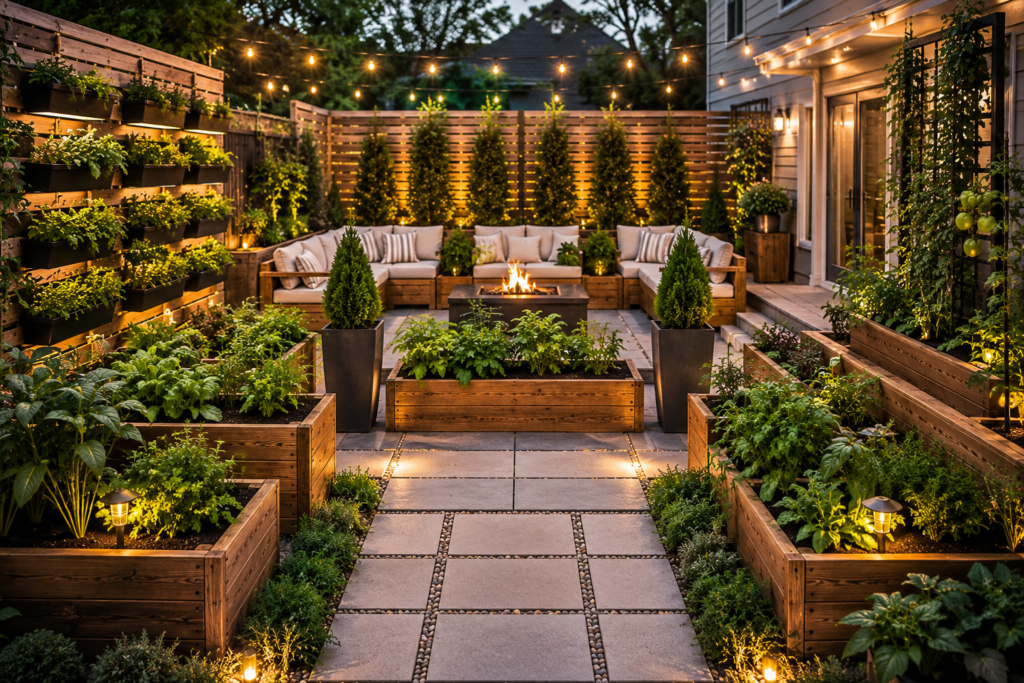
DIY planters improve backyard design by adding layering, texture, greenery, and structure to outdoor spaces. Even small patios can feel more attractive and functional when planters are arranged strategically around seating areas, fences, walkways, or garden corners.
One of the biggest design advantages of backyard planters is layering. Combining tall vertical planters with lower raised beds creates depth and helps small spaces feel larger. Planters can also act as natural privacy screens around patios or seating zones while softening harsh fences and walls. Symmetrical planter placement near pathways or outdoor furniture creates a cleaner landscaping appearance.
Design benefits of DIY backyard planters include:
- Better visual layering
- Natural privacy screening
- Improved backyard symmetry
- Decorative outdoor focal points
- Softer fence and wall appearance
- Seasonal color flexibility
- Better separation between seating and planting zones
Beginner Planter Setup Checklist
Starting with a simple and organized backyard planter setup usually creates better long-term gardening success than overly complicated layouts. Many beginner gardeners struggle because they overcrowd patios, ignore drainage planning, or choose plants that require advanced maintenance.
Drainage, spacing, sunlight access, and soil depth should all be planned before planting begins. Raised beds and containers also need comfortable spacing for watering, harvesting, and airflow.
Beginner DIY Backyard Planter Checklist:
- Choose a sunny backyard location
- Add proper drainage holes
- Use quality potting soil
- Leave open walking pathways
- Avoid overcrowding planters
- Start with 2–3 simple containers
- Grow easy plants like herbs, lettuce, and radishes
- Use weather-resistant planter materials
- Check soil depth before planting vegetables
- Keep watering access simple and consistent
Compact raised beds combined with a small vertical herb planter usually create the most manageable beginner setup for small backyards or patios.
Final Thoughts
DIY backyard planter ideas provide one of the most affordable and rewarding ways to improve outdoor spaces while supporting productive gardening. Whether using recycled materials, compact raised garden beds, or vertical gardening systems, homemade planters allow gardeners to customize their backyard layout according to budget, climate, and planting goals.
The most successful planter systems balance drainage, durability, functionality, and visual design together. Simple improvements like proper soil depth, weather-resistant planter materials, and organized backyard spacing dramatically improve long-term gardening results.
For beginners, starting small with easy container gardens and simple wooden planter boxes usually creates the best learning experience.
Well-designed DIY backyard planters are not only budget-friendly but also highly adaptable, visually appealing, and ideal for modern small-space outdoor living.
FAQs
What is the easiest DIY backyard planter for beginners?
Simple wooden planter boxes and food-safe bucket gardens are the easiest options for beginners. They require minimal tools, basic drainage holes, and are easy to maintain in small backyards.
What is the cheapest material for building backyard planters?
Recycled pallets, buckets, concrete blocks, and storage containers are among the cheapest planter materials. Pallet planters are especially popular because they are often free or low-cost.
Which vegetables grow best in DIY backyard planters?
Tomatoes, peppers, lettuce, spinach, kale, cucumbers, and radishes grow very well in backyard planters. Most vegetables perform better in deep, well-draining containers.
How deep should a DIY planter box be for vegetables?
Most vegetable planters should be 12–24 inches deep depending on the crop. Tomatoes and carrots need deeper soil than leafy greens like lettuce or spinach.
Which wood lasts longest for outdoor planter boxes?
Cedar and redwood are among the most durable woods for outdoor planter boxes. They naturally resist moisture, insects, and outdoor decay.
Are pallet planters safe for growing vegetables?
Yes, heat-treated pallets are generally safer for edible gardening. Avoid chemically treated or unknown pallets when growing vegetables or herbs.
How do you prevent DIY planter boxes from rotting?
Good drainage, elevated planter bases, landscape fabric liners, and outdoor sealants help reduce wood rot. Cedar wood also lasts longer outdoors than untreated pine.
What plants grow best in vertical backyard planters?
Herbs, lettuce, strawberries, spinach, and trailing flowers grow especially well in vertical planters.
Are vertical planters good for small backyards?
Yes, vertical planters maximize growing space without using much floor area. They are ideal for tiny patios, balconies, and narrow backyard spaces.
What are the biggest mistakes beginners make with DIY planters?
Common mistakes include poor drainage, overcrowding plants, weak materials, shallow containers, and incorrect sunlight placement. These issues often reduce plant health quickly.
Which DIY backyard planter setup works best for tiny patios?
A vertical herb wall combined with one compact raised bed usually works best for tiny patios. This setup balances productivity and movement space efficiently.
Is cedar better than pine for DIY planter boxes?
Yes, cedar is generally better because it naturally resists rot and moisture damage. Pine is cheaper but usually has a shorter outdoor lifespan.
Myra is the founder and lead writer of Backyard Planter Ideas, where she shares practical, well-researched guidance on planter design, plant selection, and outdoor styling. Her goal is to help homeowners create attractive, functional garden spaces with clear, reliable, and easy-to-apply advice.