
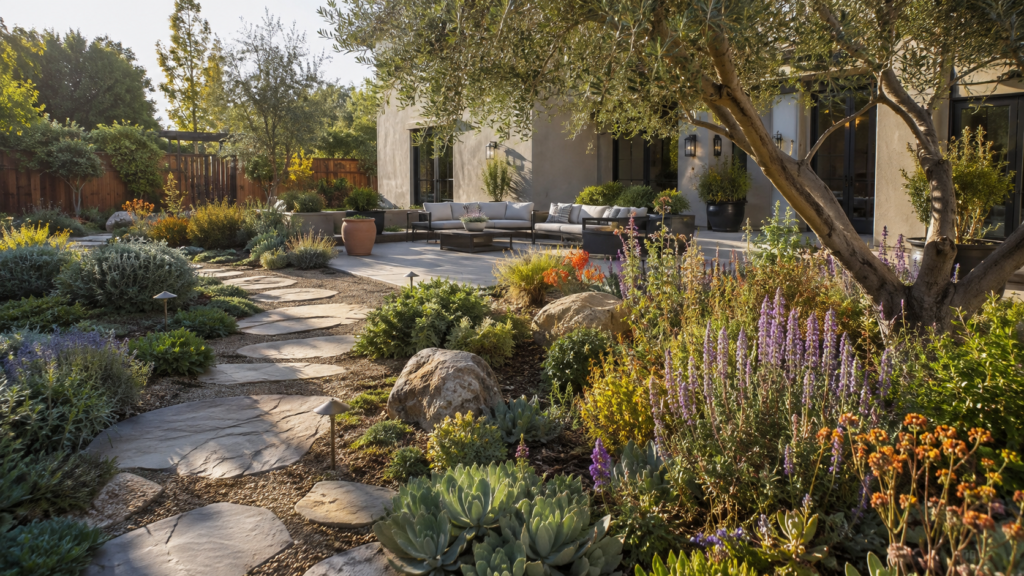
California backyard plant ideas work best when they are created around the state’s natural growing conditions rather than trying to force plants into unsuitable environments. California includes many different landscapes, from cool coastal areas influenced by fog to hot inland valleys and dry Southern California regions where water conservation is essential.
The best California backyard plants are not chosen only because they look attractive. They should also match your local climate, soil type, sunlight exposure, and available water. A successful backyard combines beauty with practicality by selecting plants that can naturally adapt to the conditions where they are planted.
A well-designed California landscape usually includes multiple layers of plants. Trees provide shade and structure, shrubs create privacy and background interest, flowering plants add seasonal color, ornamental grasses introduce movement, and groundcovers help protect soil while reducing moisture loss.
Native California plants and Mediterranean-style plants are especially valuable because many are adapted to dry summers and seasonal weather patterns. Once established, many require less water and maintenance compared with plants that are not suited to the region.
Before choosing plants for your backyard, consider:
- Your California climate region
- Daily sunlight exposure
- Soil drainage
- Mature plant size
- Water requirements
- Maintenance needs
- Wildlife benefits
- Available planting space
The goal of a California backyard is not to fight local conditions. It is to create a landscape that works naturally with them.
How to Choose California Backyard Plants
Choosing the right California backyard plants starts with understanding your property. Many landscaping problems happen because homeowners select plants based only on appearance without considering whether those plants can actually survive in their location.
A plant that thrives in a cool coastal garden may struggle in a hot inland valley. Likewise, a desert-adapted plant may fail in areas with poor drainage or excessive moisture. Successful planting begins with matching each species to the environment where it will grow.
Before planting, evaluate:
- Climate conditions
- Hours of sunlight
- Soil type and drainage
- Wind exposure
- Heat from walls, patios, and driveways
- Irrigation availability
- Mature growth size
Plant size is especially important because many plants look small when purchased but become much larger after several years. Planning for mature growth prevents overcrowding, reduces future pruning, and creates healthier plants.
Water-efficient landscapes also work better when plants with similar needs are grouped together. Creating separate watering zones prevents drought-tolerant plants from receiving unnecessary moisture while allowing higher-water plants to thrive.
Identify Your California Climate Region
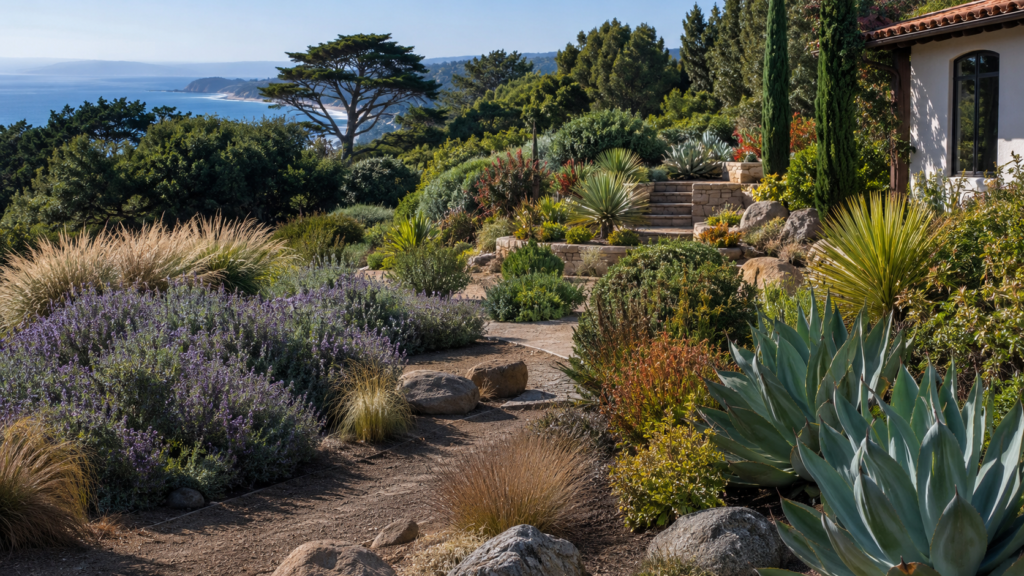
California does not have one single gardening climate. Plant success depends heavily on choosing species suited to your specific region.
Coastal California Plants
Coastal gardens often experience mild temperatures, morning fog, cooler summers, and wind exposure. Plants selected for these areas should tolerate moderate temperatures while handling coastal conditions.
Good choices include:
- Ceanothus
- Toyon
- Lavender
- Rosemary
- California fuchsia
These plants provide flowers, fragrance, and wildlife benefits while adapting well to coastal environments.
Inland Valley California Plants
Inland areas commonly experience hotter summers, stronger sunlight, seasonal dryness, and larger temperature changes between seasons.
Recommended plants include:
- Salvia
- Yarrow
- Olive trees
- Deer grass
- Native shrubs
These plants handle heat and can perform well with reduced irrigation once established.
Southern California Dry Region Plants
Southern California landscapes often face high temperatures, limited rainfall, dry winds, and water restrictions. The strongest choices are plants that can maintain beauty while requiring minimal water.
Strong options include:
- Agave
- Red yucca
- Blue palo verde
- Desert willow
- Aloe
These plants create attractive water-wise landscapes while handling dry conditions.
Northern California Plants
Northern California contains cooler environments and different native ecosystems. Plant selection should reflect local conditions rather than simply choosing plants that grow somewhere else in the state.
Good choices include:
- Manzanita
- Western redbud
- Native grasses
- Woodland plants
The best California backyard plants are always selected according to your exact location and growing conditions.
Match Plants With Your Backyard Conditions
Even within the same climate region, different parts of your backyard can create different growing environments.
A west-facing wall may increase heat stress. A shaded patio may hold moisture longer. A windy area may dry out faster than other parts of the yard.
Before planting, consider:
- Full sun areas
- Partial shade
- Wind exposure
- Soil moisture
- Heat reflection from hard surfaces
Matching plants to these microclimates improves survival, reduces maintenance, and prevents unnecessary watering.
A plant that naturally fits its location will usually require less intervention than one planted in conditions it cannot tolerate.
Choose Plants Based on Purpose
A successful backyard should not be filled with random plants. Each selection should serve a purpose, such as creating shade, improving privacy, supporting wildlife, or reducing maintenance.
Plants for Shade
Shade trees improve outdoor comfort by reducing heat around patios and seating areas.
Good choices include:
- California live oak
- Desert willow
- Olive tree
Trees should always be planted with their mature size in mind because root growth and canopy development affect placement.
Plants for Privacy
Privacy plants should provide height, density, and year-round structure without requiring constant trimming.
Good choices include:
- Toyon
- Ceanothus
- Pittosporum
- Olive trees
The best privacy plants create natural screening while maintaining healthy growth and manageable maintenance.
Plants for Pollinators
California gardens can support bees, butterflies, and hummingbirds by including flowering plants that provide seasonal resources.
Good choices include:
- California fuchsia
- Salvia
- Penstemon
- Yarrow
These plants add color while supporting local wildlife.
Plants for Low Maintenance
Low-maintenance landscaping begins with choosing plants that naturally match the environment.
Good options include:
- Agave
- Lavender
- Rosemary
- Deer grass
- Blue fescue
The right plant in the right location requires far less attention over time.
25 Best California Backyard Plants
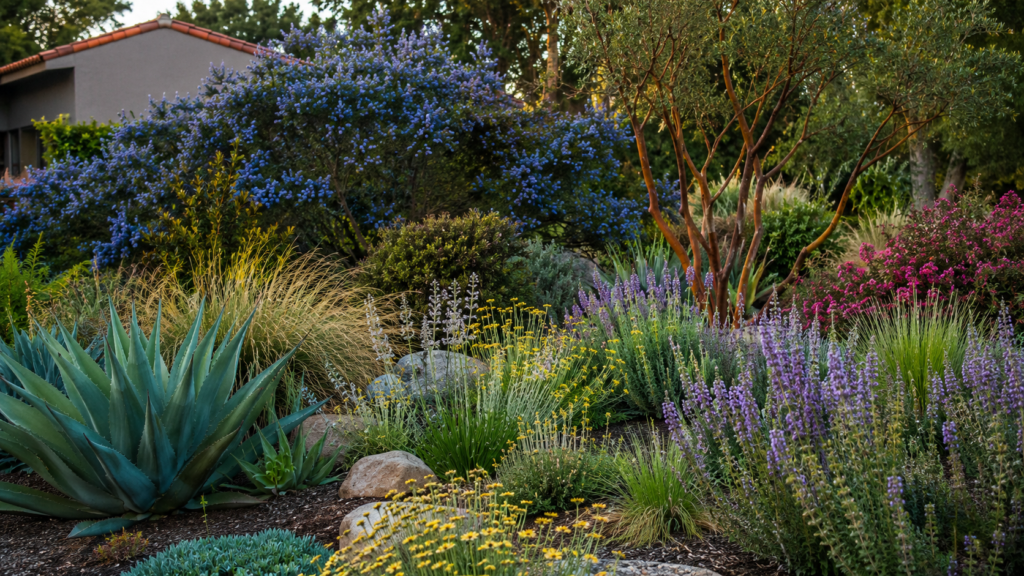
These California backyard plants combine beauty, drought tolerance, and practical landscape value.
1. California Live Oak
California live oak is one of the best native shade trees for larger backyards. It provides long-term structure, shade, and wildlife habitat.
Because it can become a large tree, it should be planted away from foundations, structures, and small planting areas.
2. Blue Palo Verde
Blue palo verde is an excellent choice for hot, dry landscapes. Its green trunk, delicate foliage, and yellow flowers create a desert-inspired appearance.
It works especially well in:
- Southern California yards
- Inland gardens
- Water-wise landscapes
3. Desert Willow
Desert willow provides a softer appearance than many drought-tolerant trees. It offers:
- Fast growth
- Low water needs
- Flowering interest
- Hummingbird attraction
It performs well in warm inland regions where heat tolerance is important.
4. Olive Tree
Olive trees bring Mediterranean character to California landscapes with their silver-green foliage and elegant structure.
They work well in:
- Courtyards
- Modern gardens
- Outdoor living areas
For healthy growth, they need:
- Full sun
- Good drainage
- Moderate water during establishment
5. Western Redbud
Western redbud adds seasonal beauty through spring flowers and attractive foliage.
It works well in:
- Native gardens
- Medium-sized landscapes
- Cooler California regions
This tree provides color, structure, and wildlife value.
6. Ceanothus (California Lilac)
Ceanothus is one of the strongest native shrubs for drought-tolerant landscapes.
Benefits include:
- Blue or white flowers
- Pollinator support
- Low water requirements
It performs best in areas with good drainage and limited summer watering.
7. Manzanita
Manzanita is valued for its reddish bark, evergreen leaves, and native California character.
Benefits include:
- Wildlife value
- Attractive structure
- Low maintenance
Good drainage is important because many varieties do not tolerate consistently wet soil.
8. Toyon
Toyon is a versatile evergreen shrub that can provide privacy and wildlife habitat.
Benefits include:
- Evergreen foliage
- Red berries
- Bird support
It works especially well in natural California landscapes.
9. California Sagebrush
California sagebrush is a fragrant native shrub that brings natural character to dry California landscapes. Its soft gray-green foliage creates texture while helping support native wildlife.
It is especially useful for:
- Dry gardens
- Sloped landscapes
- Wildlife-friendly areas
- Native plant gardens
Once established, California sagebrush requires very little water and performs well in areas where many traditional landscape plants struggle.
10. Texas Ranger
Texas Ranger is a strong choice for warm California regions where homeowners want color without high maintenance.
Benefits include:
- Purple flowers
- Heat tolerance
- Low maintenance needs
It works well in drought-tolerant landscapes and adds seasonal color to areas that may otherwise look dry.
11. California Fuchsia
California fuchsia is one of the best flowering plants for attracting hummingbirds while adding bright color to water-wise gardens.
Benefits include:
- Bright red flowers
- Heat tolerance
- Long flowering season
- Wildlife support
It works well in:
- Native gardens
- Dry slopes
- Pollinator gardens
- Mixed borders
Its late-season blooms provide valuable food sources for hummingbirds when many other plants have finished flowering.
12. Yarrow
Yarrow is a dependable flowering plant that adapts well to many California conditions.
Benefits include:
- Drought tolerance
- Low maintenance growth
- Pollinator support
- Adaptable performance
It works well in:
- Flower borders
- Meadow-style gardens
- Natural landscapes
Yarrow can help create a softer, more natural appearance while reducing water requirements.
13. California Poppy
California poppy is the state flower and one of the easiest native plants to grow in California gardens.
Benefits include:
- Bright seasonal color
- Low water requirements
- Easy growth
- Native habitat value
Planting California poppies in groups creates a stronger visual impact and helps create a natural wildflower appearance.
14. Penstemon
Penstemon adds vertical flower spikes and attracts hummingbirds and other pollinators.
It works especially well in:
- Flower borders
- Rock gardens
- Pollinator areas
Penstemon performs best in sunny locations with well-drained soil. Its upright flowers create contrast against lower-growing plants.
15. Salvia
Salvia is one of the most valuable plant groups for California landscapes because many varieties are adapted to heat and dry conditions.
Benefits include:
- Long flowering periods
- Fragrant foliage
- Heat tolerance
- Pollinator support
Different salvia varieties allow homeowners to add strong color while maintaining a water-efficient garden.
16. Deer Grass
Deer grass is a popular ornamental grass that adds softness and movement to California landscapes.
Benefits include:
- Drought tolerance
- Low maintenance
- Movement in the landscape
- Year-round structure
It combines well with:
- Agave
- Salvia
- Native shrubs
Deer grass is especially useful around patios and pathways where its flowing shape softens hard surfaces.
17. Blue Fescue
Blue fescue is ideal for smaller California backyards because it provides texture without becoming overwhelming.
Best uses include:
- Containers
- Pathways
- Rock gardens
- Small borders
Benefits:
- Compact growth
- Low water needs
- Attractive blue-green foliage
It is a practical choice for homeowners who want structure in limited spaces.
18. Muhly Grass
Muhly grass adds soft flower displays and movement to California landscapes.
Benefits include:
- Decorative flowers
- Drought tolerance
- Low maintenance
- Soft texture
It works well in modern landscapes and mixed planting areas where homeowners want a lighter, more natural appearance.
19. Lavender
Lavender fits naturally into California’s Mediterranean climate and is one of the most recognizable drought-tolerant garden plants.
Benefits include:
- Fragrant flowers
- Pollinator support
- Low water needs
- Attractive foliage
It works well for:
- Borders
- Pathways
- Containers
- Herb gardens
Lavender also adds sensory value through fragrance and attracts beneficial insects.
20. Rosemary
Rosemary is both a practical herb and an attractive landscape plant.
Benefits include:
- Evergreen structure
- Fragrant foliage
- Low water requirements
- Culinary use
It works well as:
- A border plant
- A small hedge
- A pathway planting
Its evergreen growth provides year-round interest.
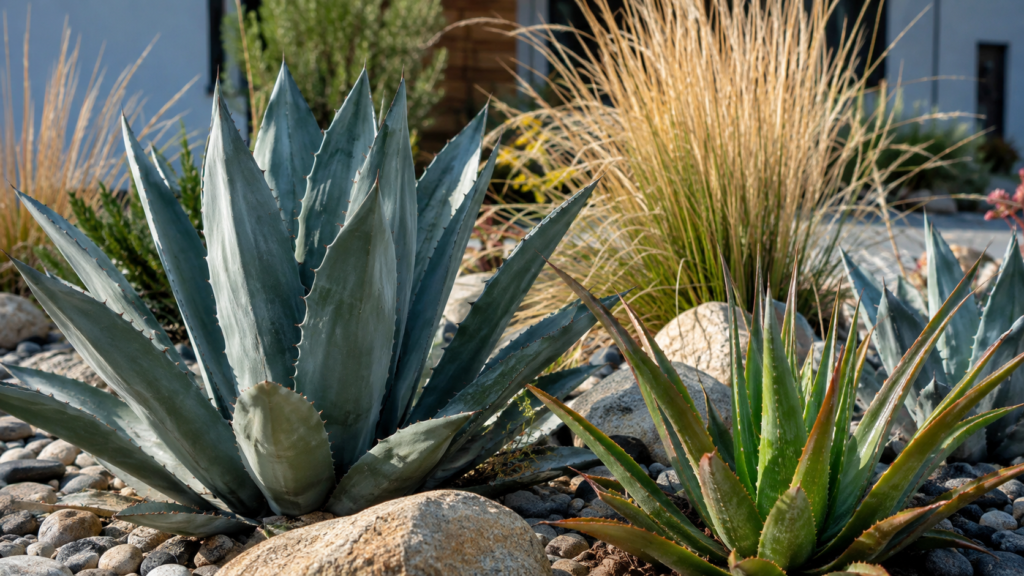
21. Agave
Agave creates strong architectural interest in drought-tolerant California landscapes.
Benefits include:
- Extremely low water needs
- Minimal maintenance
- Bold structure
It works especially well in:
- Modern landscapes
- Desert-inspired gardens
- Rock gardens
Agave adds dramatic shape and requires very little care once established.
22. Aloe
Aloe performs well in warm California regions and adds attractive structure to dry landscapes.
Benefits include:
- Low water requirements
- Easy maintenance
- Seasonal flowers
- Strong visual form
It works well in:
- Succulent gardens
- Containers
- Rock landscapes
Aloe is especially useful for adding year-round interest in smaller spaces.
23. Red Yucca
Red yucca is a drought-tolerant accent plant known for tall flowering stems that attract hummingbirds.
Benefits include:
- Heat tolerance
- Long blooms
- Low maintenance
- Wildlife value
It adds vertical interest without requiring much planting space.
24. Creeping Thyme
Creeping thyme creates a low-growing groundcover that works well between stepping stones and along pathways.
Benefits include:
- Fragrant foliage
- Drought tolerance
- Ground coverage
- Low maintenance
It is a useful alternative to traditional lawn areas and helps create a softer transition between hardscape and planting areas.
25. California Wild Strawberry
California wild strawberry is a native groundcover that works well in cooler or partially shaded areas.
Benefits include:
- Native plant value
- Soil coverage
- Small edible berries
- Wildlife support
It helps cover bare soil while maintaining a natural California garden style.
California Backyard Plants by Landscaping Goal
Choosing plants based on your landscaping goal makes planning easier and creates a more functional backyard.
A successful landscape should not only look attractive but should also solve practical problems such as:
- Privacy
- Heat reduction
- Maintenance concerns
- Water conservation
- Wildlife support
Different plants serve different purposes, so selecting them according to your specific needs creates a more balanced and successful design.
Best California Plants for Privacy
Privacy plants should provide height, density, and year-round structure while fitting naturally into California’s climate. The best choices create screening without requiring excessive watering or constant pruning.
Instead of planting a single row of fast-growing plants, a layered approach usually creates a healthier and more attractive backyard. Combining trees, shrubs, and smaller plants creates a natural privacy screen that also supports wildlife.
Toyon
Toyon is one of the best native evergreen shrubs for California privacy planting.
It provides:
- Evergreen foliage
- Wildlife support
- Seasonal red berries
- Natural screening
Toyon works well for homeowners who want a native alternative to traditional hedges. It creates a softer landscape appearance while supporting birds and local ecosystems.
Ceanothus
Ceanothus provides both privacy and seasonal beauty.
Benefits include:
- Dense growth
- Attractive flowers
- Pollinator support
- Low water requirements
It works especially well along borders and in natural-style California landscapes.
Pittosporum
Pittosporum is commonly used for structured evergreen screening where homeowners want a more formal appearance.
Benefits include:
- Dense growth
- Year-round greenery
- Formal landscape structure
It is useful near fences and property boundaries where a consistent green backdrop is needed.
Olive Trees
Olive trees create privacy layers while adding Mediterranean character to outdoor spaces.
Benefits include:
- Height
- Silver foliage
- Heat tolerance
- Architectural shape
They work especially well in modern California gardens where homeowners want both privacy and visual interest.
When planting privacy plants, avoid placing them too close together. Proper spacing improves airflow, reduces disease problems, and allows plants to develop naturally.
Best California Plants for Small Backyards
Small California backyards require careful plant selection because every plant has a larger visual impact. The goal is not to fill every available space but to choose plants that provide multiple benefits.
The best choices are compact plants that add beauty, texture, fragrance, or wildlife value without overwhelming the yard.
Recommended options include:
- Lavender
- Rosemary
- Aloe
- Blue fescue
- Creeping thyme
- Compact salvia varieties
Small-space landscaping works best when homeowners:
- Consider mature plant size
- Use containers and raised beds
- Add vertical planting
- Repeat plant varieties for a cleaner design
A smaller plant palette often creates a more professional appearance than filling a yard with too many unrelated species.
Low-Water California Backyard Design
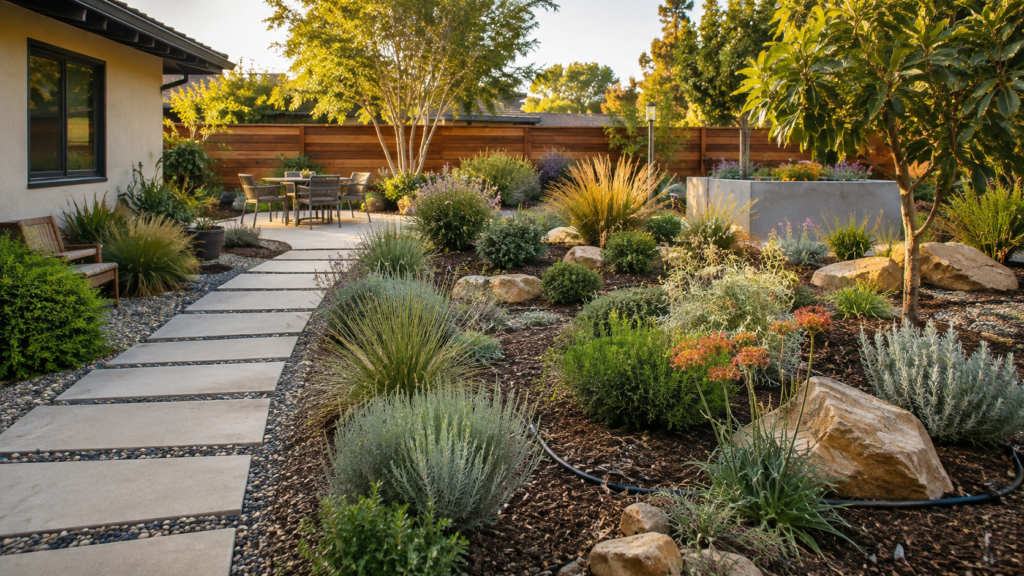
A low-water California backyard is created through planning, not simply by purchasing drought-tolerant plants.
The strongest water-wise landscapes combine:
- Plants with similar water needs
- Efficient irrigation systems
- Healthy soil
- Mulch
- Thoughtful plant placement
The goal is to create a landscape that remains attractive while reducing unnecessary irrigation.
A successful low-water garden should still include layers of plants rather than relying only on rocks or a few isolated drought-tolerant species.
A balanced design usually combines:
- Trees for shade
- Shrubs for structure
- Flowers for seasonal color
- Grasses for movement
- Groundcovers for soil protection
Create Planting Zones
Plants with similar water requirements should be grouped together.
This approach prevents overwatering drought-tolerant plants while ensuring other plants receive enough moisture.
For example:
- Agave, lavender, and rosemary prefer drier conditions.
- Flowering plants may require more consistent moisture during active growth.
- Trees often need deeper but less frequent watering.
Creating separate planting zones makes irrigation more efficient and helps plants perform better.
Structural Plants
Structural plants create the foundation of a California backyard landscape.
Examples include:
- California live oak
- Olive tree
- Desert willow
- Large shrubs
These plants provide:
- Shade
- Height
- Privacy
- Long-term structure
Structural plants should be chosen carefully because they influence the overall design for many years.
A well-placed tree or large shrub can improve outdoor comfort, reduce heat, and create a stronger connection between different areas of the yard.
Seasonal Color Plants
Flowering plants add beauty and support wildlife while preventing low-water landscapes from feeling empty.
Examples include:
- Salvia
- California poppy
- Penstemon
- California fuchsia
These plants provide seasonal interest through flowers while maintaining a water-conscious approach.
Using groups of flowering plants rather than isolated specimens creates a stronger visual effect and makes the landscape feel more intentional.
Texture Plants
Texture plants add movement and soften hard surfaces such as patios, pathways, and walls.
Examples include:
- Deer grass
- Blue fescue
- Agave
- Aloe
These plants work well in:
- Modern landscapes
- Rock gardens
- Patio borders
- Dry garden designs
Combining plants with different textures creates a more visually interesting backyard without requiring additional water.
How to Prepare California Soil Before Planting
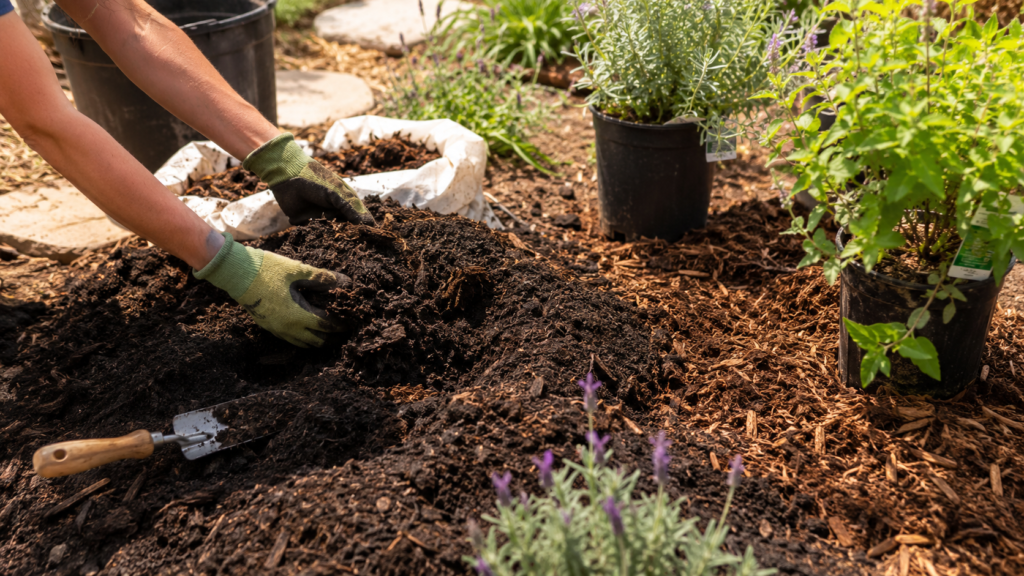
Healthy soil is the foundation of a successful California backyard landscape. Even drought-tolerant plants can struggle when soil conditions do not match their needs.
Before planting, evaluate:
- Drainage
- Soil texture
- Compaction
- Moisture retention
- Organic matter
The goal is not always to completely replace existing soil. Instead, improve the root environment so plants can establish properly and access nutrients.
Improving Clay Soil
Clay soil is common in many California areas and can create challenges for plant growth.
Common problems include:
- Slow drainage
- Water retention
- Reduced oxygen around roots
Helpful improvements include:
- Adding organic matter
- Improving drainage where needed
- Avoiding soil compaction
- Selecting plants that tolerate heavier soils
Many drought-tolerant plants prefer dry conditions and may struggle when roots remain wet for extended periods.
Improving Sandy Soil
Sandy soil drains quickly and may lose moisture faster than plants can absorb it.
Helpful improvements include:
- Adding compost
- Using mulch
- Improving moisture retention
- Choosing drought-adapted plants
The goal is to help soil hold enough moisture while still maintaining proper drainage.
Fixing Compacted Soil
Compacted soil prevents roots from spreading properly and limits plant growth.
Before planting:
- Loosen planting areas
- Improve the root zone
- Add organic material where needed
- Avoid repeated foot traffic in planting beds
Healthy soil allows roots to establish deeper, making plants more resilient during California’s dry seasons.

Myra is the founder and lead writer of Backyard Planter Ideas, where she shares practical, well-researched guidance on planter design, plant selection, and outdoor styling. Her goal is to help homeowners create attractive, functional garden spaces with clear, reliable, and easy-to-apply advice.