
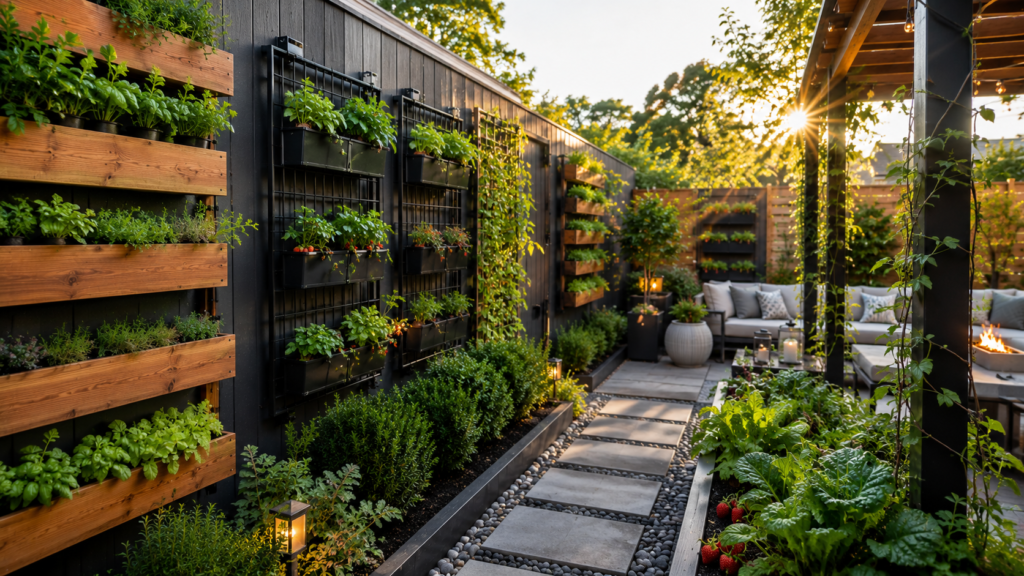
Vertical backyard planter ideas make it possible to grow herbs, vegetables, flowers, and climbing plants without sacrificing valuable outdoor space. By using walls, fences, stacked systems, hanging containers, and upright structures, homeowners can turn compact patios and small backyards into productive, visually organized gardens that feel larger, cleaner, and easier to maintain.
Modern vertical gardening is no longer limited to decorative wall planters. Many systems now support vegetables, edible gardens, drip irrigation, self-watering features, and durable weather-resistant materials designed for long-term outdoor use.
Why Vertical Planters Are Popular
Vertical backyard planter ideas are becoming increasingly popular because modern homeowners want more functionality from smaller outdoor spaces. Many urban and suburban homes now have compact patios, narrow side yards, or limited backyard square footage where traditional gardening layouts feel crowded. Vertical gardening solves this problem by transforming unused walls, fences, railings, and corners into productive growing areas without sacrificing open walking space.
Vertical systems also improve backyard aesthetics by softening fences and organizing compact spaces. Vertical systems improve aesthetics while combining decorative and edible gardening.
Best Vertical Planter Types
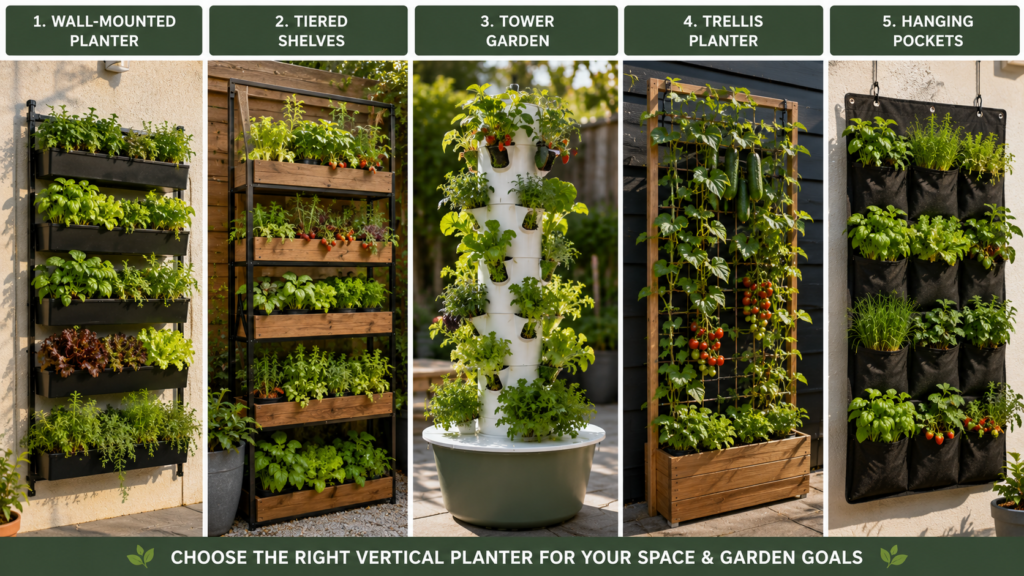
The best vertical planter depends on space, sunlight, structural support, and plant type. Wall-mounted planters are among the most popular options because they use fences and walls efficiently while creating a strong decorative effect. Tiered planter stands are another beginner-friendly option because they provide multiple planting levels without requiring permanent wall installation.
Trellis-integrated planters are usually the best solution for climbing vegetables like cucumbers, beans, peas, and tomatoes. These systems combine ground-level root space with vertical growth support, allowing vegetables to spread upward instead of outward. Hanging pocket planters dry faster because shallow fabric containers lose moisture quickly.
Common vertical planter systems include:
- Wall-mounted herb planters
- Tiered planter shelves
- Hanging pocket gardens
- Trellis vegetable systems
- Vertical tower gardens
- Ladder planter stands
- Freestanding vertical frames
- Fence-mounted flower boxes
Why Vertical Planters Fail
Many vertical backyard planter systems fail within the first year because homeowners underestimate how much stress moisture, sunlight, soil weight, and temperature changes place on outdoor structures. A vertical planter may look stable when first installed, but once containers become fully saturated with water, the total weight can increase dramatically. Weak fence anchors, thin brackets, untreated wood, and cheap plastic often begin bending or cracking after repeated watering cycles and seasonal weather exposure.
Drainage failure is another major reason vertical gardens deteriorate quickly. Containers without proper drainage holes trap excess moisture, causing root rot, mold growth, algae buildup, and structural damage behind the planter itself. Fabric pocket systems are especially vulnerable because constant moisture exposure weakens stitching and accelerates material breakdown under UV sunlight. Many homeowners also place vertical gardens on dark walls that absorb heat throughout the day, causing root overheating and rapid soil drying during summer afternoons.
In real backyard installations, failure usually becomes visible gradually rather than instantly. Shelves begin sagging, upper containers dry unevenly, plants lose vigor, and water stains appear behind mounted systems. These problems often trace back to poor structural planning rather than gardening skill alone.
Common reasons vertical planters fail early:
- Weak wall or fence anchors
- Poor drainage design
- Untreated wood warping
- Cheap plastic cracking in sunlight
- Fabric pockets degrading from moisture
- Overloaded shelves bending under wet soil
- Root overheating on hot walls
- Inconsistent watering systems
- Overcrowded containers reducing airflow
Long-term durability usually depends more on structural quality and moisture management than decorative appearance. Well-built vertical systems with proper drainage and weather-resistant materials can remain productive for many years, while poorly planned installations may struggle after only one growing season.
Best Plants for Vertical Planters
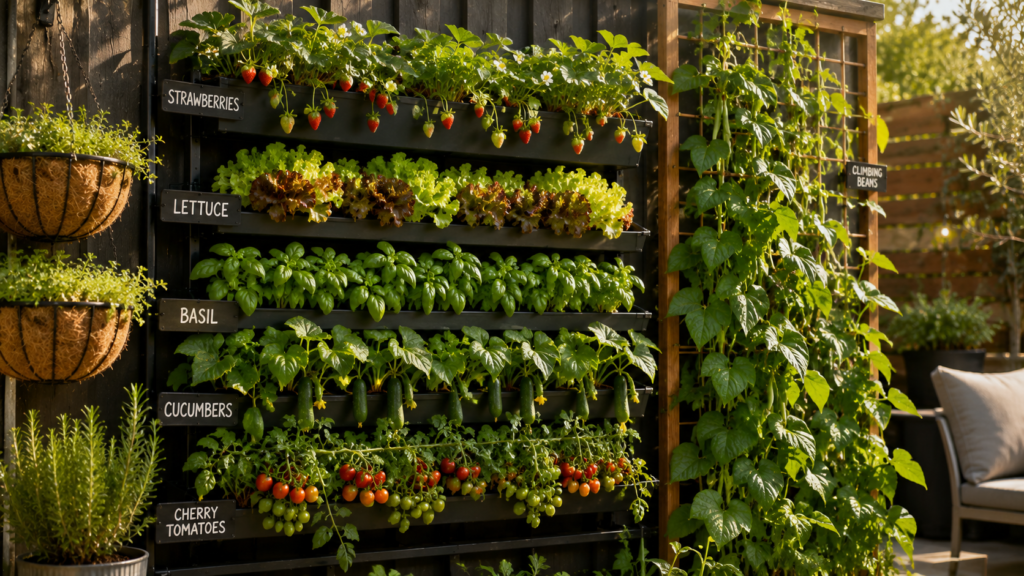
Herbs are often the easiest and most productive choice for vertical gardening because they thrive in smaller containers while remaining easy to harvest. Basil, parsley, oregano, thyme, mint, and chives all adapt extremely well to vertical systems. Leafy greens such as spinach, lettuce, kale, and arugula also perform well because they have relatively shallow roots and shorter growth cycles.
Strawberries perform especially well vertically because airflow reduces rot and keeps fruit cleaner. Climbing vegetables such as cucumbers, peas, beans, and cherry tomatoes also work exceptionally well when paired with strong trellis systems.
Plants that usually perform best vertically:
- Basil
- Lettuce
- Spinach
- Strawberries
- Pole beans
- Cucumbers
- Cherry tomatoes
- Petunias
- Nasturtiums
- Kale
In real backyard conditions, plant grouping matters just as much as plant selection itself. Shade-tolerant herbs may perform better on lower levels while full-sun vegetables often need upper sections with maximum light exposure. Matching plant needs to planter placement dramatically improves overall garden performance.
Why Root Depth Matters in Vertical Gardens
Root depth plays a major role in vertical garden performance because shallow containers limit how much moisture, nutrients, and temperature stability plants can access.
Plants with shallow roots usually adapt well to vertical systems because they require less soil volume to remain healthy. Herbs, lettuce, spinach, strawberries, and many flowers grow successfully in compact containers because their root systems stay relatively manageable. Deep-root crops, however, often struggle because vertical planters cannot provide enough soil depth to support stable moisture retention and nutrient storage.
Plants that usually work best in shallow root systems:
- Basil
- Lettuce
- Strawberries
- Spinach
- Chives
- Parsley
- Succulents
Plants that often struggle vertically:
- Potatoes
- Corn
- Pumpkins
- Melons
- Large squash
- Oversized tomatoes
In real gardening conditions, matching root requirements to container depth often improves plant health more than fertilizer or watering adjustments alone. Proper root space creates stronger moisture balance, healthier growth, and more stable long-term production.
Vertical Planters vs Raised Beds
Vertical planters are not automatically better than traditional raised beds, but they are often much more efficient for small-space gardening and decorative backyard organization. Raised beds still outperform vertical systems in some areas, particularly for deep-root vegetables, moisture retention, and large-scale food production. The best choice depends on how the backyard is used and what type of gardening the homeowner wants to prioritize.
Vertical planters use wall and fence space more efficiently than raised beds. Watering also behaves differently between the two systems. Raised beds generally hold moisture longer because they contain larger soil volumes. Vertical planters dry out faster due to gravity, airflow, and smaller containers. This means vertical systems may require more frequent watering or drip irrigation support during hot weather.
Vertical planters are better for:
- Decorative small-space gardening
- Fence and patio growing
- Herb production
Raised beds are better for:
- Root vegetables
- Large harvests
- Moisture retention
- Long-term soil ecosystems
- Heavy crops
How to Water Vertical Planters
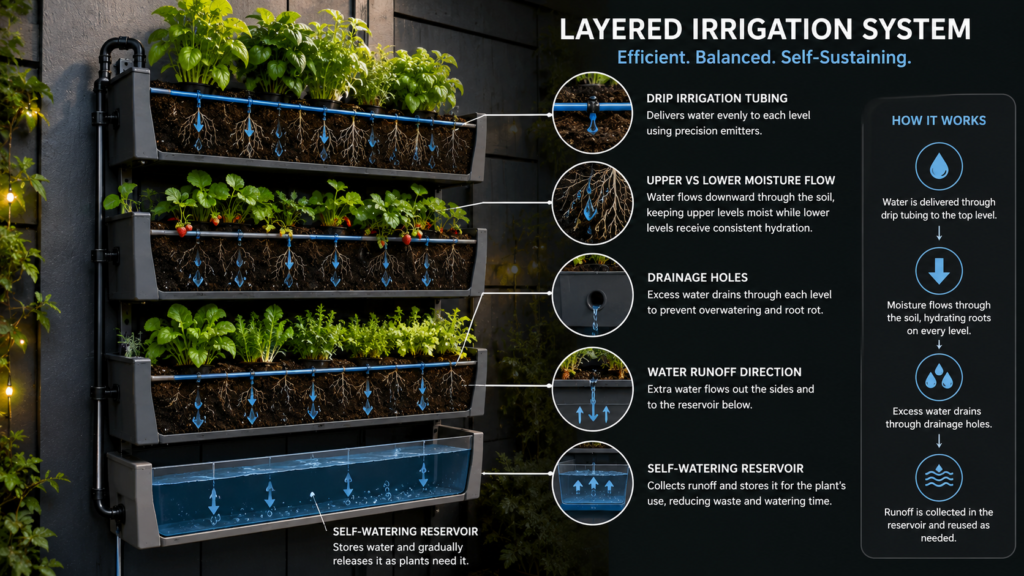
Watering is one of the most important parts of maintaining healthy vertical backyard planter systems because vertical gardens dry out much faster than traditional ground beds. Gravity naturally pulls water downward while elevated containers experience greater airflow and heat exposure. Without proper watering strategies, upper planters may become dry while lower containers remain overly wet.
Many beginner vertical gardens fail because containers lack enough drainage holes or because excess water becomes trapped inside shallow pockets. Poor drainage quickly causes root rot, fungus growth, algae buildup, and unhealthy root conditions. Every vertical planter system should allow excess moisture to escape easily without damaging walls or fences behind the structure.
Best watering practices for vertical gardens:
- Install drip irrigation if possible
- Use lightweight potting mix
- Water upper containers carefully
- Ensure all planters drain properly
- Avoid oversaturating lower levels
- Monitor hot wall exposure
- Check moisture daily during summer
- Use mulch when appropriate
How Climate Affects Vertical Planters
Hot climates create major challenges for vertical gardening because south-facing walls and dark surfaces absorb intense summer heat. Shallow containers heat up quickly, while upper planters can dry within hours during extreme temperatures.
Humid climates create different problems. Increased moisture and reduced airflow may encourage mold, algae, mildew, and fungal diseases, particularly in overcrowded wall gardens. Hanging systems in windy regions also require stronger structural support because moving containers place repeated stress on brackets and mounting hardware. Cold climates can damage cheaper plastics as repeated freezing and thawing cycles create cracking and brittleness over time.
How climate affects vertical gardens:
- Hot climates dry containers faster
- Humid regions increase fungus risk
- Wind stresses hanging systems
- Freezing weather cracks weak plastics
- Strong sun overheats shallow roots
- Heavy rain overloads poor drainage systems
- Coastal air accelerates metal corrosion
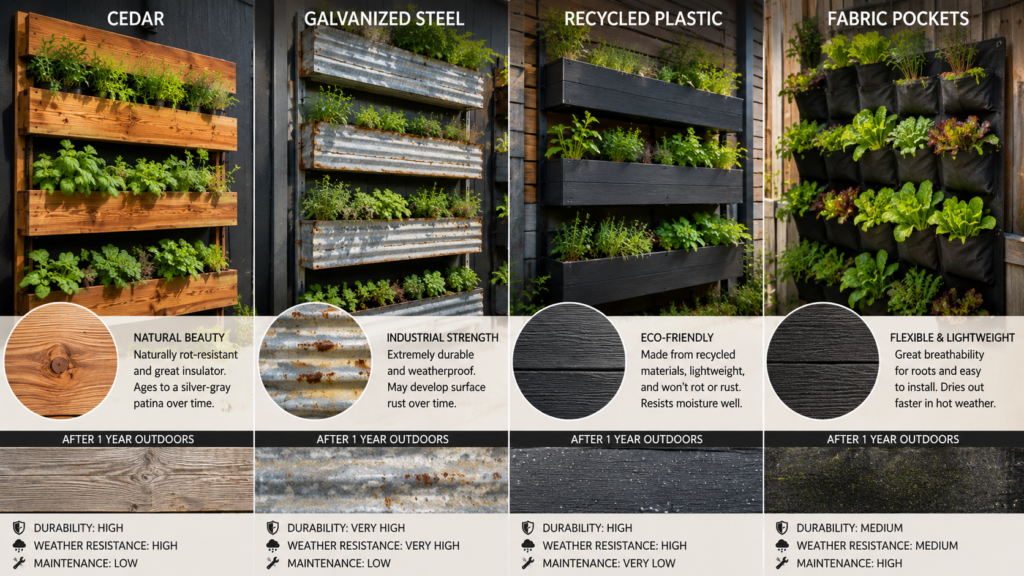
Best Materials for Vertical Planters
Outdoor vertical planters need durable materials that resist moisture, sunlight, and temperature changes. Cedar remains one of the most popular wood materials for vertical gardening because it naturally resists moisture, insects, and decay without requiring heavy chemical treatment.
Recycled plastic and composite materials are also becoming more common because they resist moisture extremely well while remaining lightweight and low maintenance. High-quality plastic systems can last for years, though cheaper versions may become brittle after prolonged UV exposure. Fabric pocket systems are affordable and visually attractive but usually have shorter lifespans because moisture and sunlight gradually weaken the material.
Long-lasting vertical planter materials:
- Cedar wood
- Galvanized steel
- Composite lumber
- Recycled plastic
- Powder-coated metal
- PVC tower systems
Materials that often fail faster:
- Thin untreated wood
- Cheap fabric pockets
- Low-quality plastic
- Weak pallet wood
Vertical Planter Material Lifespan
The lifespan of a vertical backyard planter depends heavily on the material quality, climate exposure, drainage performance, and overall maintenance.
Cedar is one of the longest-lasting wood options because it naturally resists insects, moisture damage, and decay without needing heavy chemical treatment. Properly maintained cedar planters can remain structurally stable for well over a decade in many climates. Galvanized steel systems also perform extremely well outdoors because protective zinc coatings resist rust and moisture exposure effectively.
Cheap plastic systems vary significantly in quality. Some premium recycled plastic planters remain stable for many years, while thin low-cost plastics may become brittle and crack after prolonged UV exposure. Fabric pocket systems usually have the shortest lifespan because constant moisture and sunlight gradually weaken stitching and material integrity.
Average vertical planter lifespan estimates:
| Material | Average Lifespan |
| Cedar | 10–15 years |
| Galvanized steel | 15–20 years |
| Composite materials | 10–20 years |
| PVC systems | 5–10 years |
| Cheap plastic | 2–5 years |
| Fabric pockets | 1–3 years |
Factors that shorten planter lifespan:
- Poor drainage
- Constant moisture exposure
- Weak UV resistance
- Cheap hardware
- Freeze-thaw cracking
- Untreated wood
In real-world backyard conditions, long-term durability often depends less on the planter style itself and more on moisture management, structural support quality, and exposure to harsh environmental conditions.
How Much Space They Save
In many compact backyard layouts, traditional raised beds consume most of the usable walking and seating space. Vertical systems allow homeowners to continue gardening without sacrificing patios, pathways, or outdoor living areas. A narrow fence wall can suddenly become a productive herb garden, strawberry tower, or decorative flower feature without reducing ground-level functionality.
Areas where vertical gardening saves the most space:
- Small patios
- Balcony gardens
- Narrow side yards
- Urban backyards
- Compact courtyards
- Fence lines
- Outdoor kitchen areas
Vertical garden benefits include:
- More planting capacity
- Better traffic flow
- Cleaner backyard layouts
- Easier maintenance access
- Improved decorative appeal
Common Vertical Garden Mistakes
Many vertical backyard gardens fail because beginners underestimate the importance of drainage, structural support, plant spacing, and long-term maintenance access.
Overcrowding is one of the most common mistakes. New gardeners frequently place too many plants inside compact systems, assuming dense greenery will look fuller and more productive. In reality, overcrowding restricts airflow, increases fungal disease risk, blocks sunlight, and causes plants to compete aggressively for nutrients and moisture.
Common vertical gardening mistakes:
- Overcrowding plants
- Ignoring structural weight limits
- Poor drainage design
- Using the wrong plants
- Weak mounting hardware
- Uneven watering
- Ignoring sunlight patterns
- Using compacted soil
Signs a vertical garden is struggling:
- Yellow leaves
- Mold growth
- Soggy soil
- Weak stems
- Dry upper containers
- Poor airflow
Bad Vertical Planter Setups
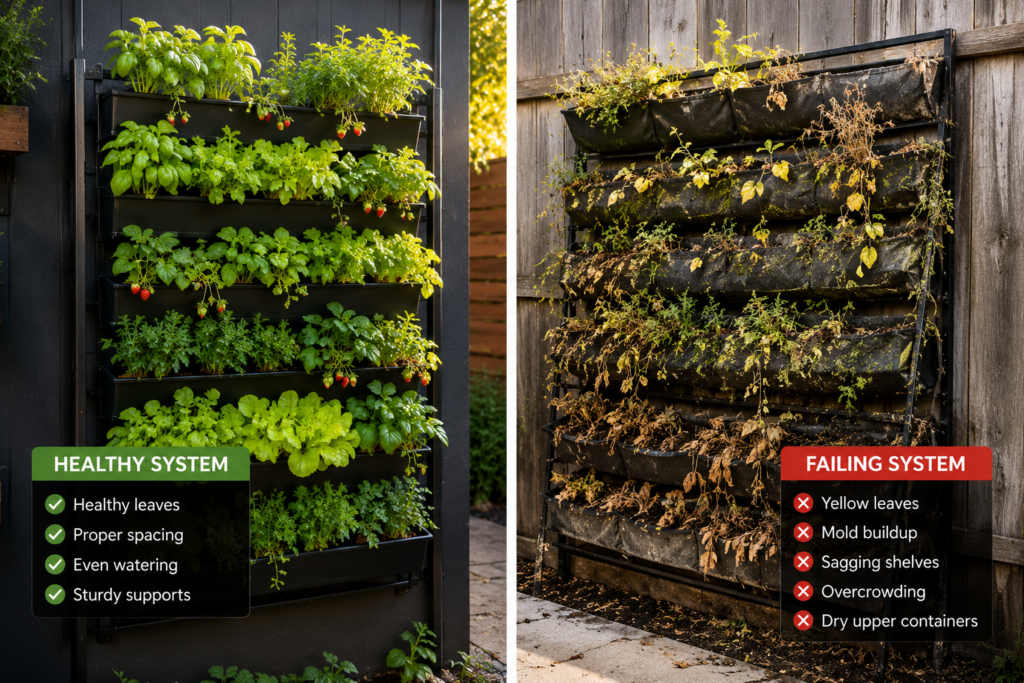
Bad vertical backyard planter setups usually become recognizable through uneven plant growth, drainage problems, overcrowding, and structural instability. Many failing systems initially appear healthy after installation, but hidden design issues quickly become visible once plants mature and watering demands increase. Uneven moisture is one of the clearest signs of poor vertical garden design.
Structural problems are another major warning sign. Sagging shelves, leaning towers, cracked containers, warped wood, and loose brackets often indicate that the system cannot safely support fully watered soil weight.
Common signs of poor vertical garden design:
- Yellowing leaves
- Soggy lower containers
- Dry upper planters
- Mold or algae growth
- Sagging shelves
- Leaning structures
- Weak airflow between plants
- Overcrowded foliage
- Uneven growth patterns
Why Vertical Planters Fail
Many vertical backyard planter systems fail within the first year because homeowners underestimate how much stress moisture, sunlight, soil weight, and temperature changes place on outdoor structures. A vertical planter may look stable when first installed, but once containers become fully saturated with water, the total weight can increase dramatically. Weak fence anchors, thin brackets, untreated wood, and cheap plastic often begin bending or cracking after repeated watering cycles and seasonal weather exposure.
Drainage failure is another major reason vertical gardens deteriorate quickly. Containers without proper drainage holes trap excess moisture, causing root rot, mold growth, algae buildup, and structural damage behind the planter itself. Fabric pocket systems are especially vulnerable because constant moisture exposure weakens stitching and accelerates material breakdown under UV sunlight. Many homeowners also place vertical gardens on dark walls that absorb heat throughout the day, causing root overheating and rapid soil drying during summer afternoons.
Shelves begin sagging, upper containers dry unevenly, plants lose vigor, and water stains appear behind mounted systems. These problems often trace back to poor structural planning rather than gardening skill alone.
Common reasons vertical planters fail early:
- Weak wall or fence anchors
- Poor drainage design
- Untreated wood warping
- Cheap plastic cracking in sunlight
- Fabric pockets degrading from moisture
- Overloaded shelves bending under wet soil
- Root overheating on hot walls
- Inconsistent watering systems
- Overcrowded containers reducing airflow
Are DIY Vertical Planters Worth It?
DIY vertical backyard planters are often worth building because they allow homeowners to customize layouts, reduce costs, and design systems that fit unusual outdoor spaces more effectively than mass-produced products.
DIY projects can also reduce initial costs significantly. Simple cedar planter shelves, hanging bucket systems, trellis frames, and wall-mounted herb racks are often affordable to build using basic materials. However, low cost should never replace structural quality. Many cheap DIY projects fail because builders ignore drainage, waterproofing, outdoor weather resistance, or long-term weight support.
Benefits of DIY vertical planters:
- Lower upfront cost
- Better customization
- Flexible sizing
- Personalized layouts
- Easier backyard integration
- Creative design freedom
Common DIY mistakes include:
- Weak structural framing
- Poor waterproofing
- Incorrect drainage
- Cheap outdoor hardware
- Insufficient wall anchors
In real backyard setups, beginner-friendly DIY systems often perform best when kept simple. Tiered cedar shelves, ladder planters, and trellis-integrated boxes usually provide better long-term usability than extremely complicated wall gardens with dozens of tiny planting pockets.
Are Vertical Backyard Planters Expensive?
DIY systems are usually affordable, while premium cedar or irrigated systems cost more. DIY vertical planters are usually the most budget-friendly option. Homeowners can often build simple cedar ladder shelves, trellis boxes, or wall-mounted herb systems using basic lumber and outdoor hardware. These projects allow more customization while reducing upfront costs. However, choosing cheap materials often creates higher long-term replacement costs if wood warps, hardware rusts, or plastic containers crack outdoors.
Typical vertical gardening costs include:
- Planter materials
- Mounting hardware
- Irrigation systems
- Potting soil
- Fertilizer
- Replacement containers
- Waterproofing materials
Lower-cost vertical planter options:
- Hanging buckets
- Tiered shelves
- Pallet planters
- Basic herb walls
Higher-end systems often include:
- Cedar construction
- Metal framing
- Built-in irrigation
- Modular planter systems
- Weather-resistant coatings
FAQs
Why do vertical backyard planters dry out faster than regular garden beds?
Vertical planters dry out faster because they hold less soil and experience more airflow and heat exposure. Gravity also pulls moisture downward quickly, especially in stacked systems.
What plants grow best in vertical backyard planters?
Herbs, lettuce, strawberries, spinach, cucumbers, pole beans, and small flowers usually perform best. These plants adapt well to compact root spaces and upright growth systems.
How often should vertical backyard planters be watered?
Most vertical planters need more frequent watering than raised beds, especially during summer. Some shallow systems may require daily watering in hot climates.
Can vertical gardens damage fences or walls?
Yes, if the structure is overloaded or poorly drained. Excess moisture and heavy wet soil may weaken fences or stain walls over time.
Which material lasts longest for outdoor vertical planters?
Cedar and galvanized steel usually last the longest outdoors because they resist moisture, insects, and weather damage better than cheap plastic or untreated wood.
Why do some vertical backyard planter systems fail quickly?
Poor drainage, weak support, overcrowding, and inconsistent watering are the most common reasons. Cheap materials also deteriorate faster outdoors.
Do vertical backyard planters work well for vegetables?
Yes. Many vegetables like cucumbers, beans, lettuce, spinach, and cherry tomatoes grow very well vertically with proper support and sunlight.
What vegetables should not be grown in vertical planters?
Large root crops and oversized vegetables like pumpkins, potatoes, melons, and large squash usually struggle due to shallow soil depth and weight limitations.
How much weight can a fence-mounted vertical planter hold?
It depends on the fence structure and mounting hardware. Fully watered planters can become very heavy, so strong support is essential.
What is the biggest mistake beginners make with vertical gardens?
Overcrowding plants is one of the biggest mistakes because it reduces airflow, increases disease risk, and creates uneven growth conditions.
Are self-watering vertical planters worth it?
Yes. Self-watering systems help stabilize moisture levels and reduce maintenance, especially during hot weather or busy growing seasons.
What do unhealthy vertical gardens usually look like?
Common signs include yellow leaves, mold growth, soggy lower containers, dry upper planters, overcrowded foliage, and sagging structures.

Myra is the founder and lead writer of Backyard Planter Ideas, where she shares practical, well-researched guidance on planter design, plant selection, and outdoor styling. Her goal is to help homeowners create attractive, functional garden spaces with clear, reliable, and easy-to-apply advice.