
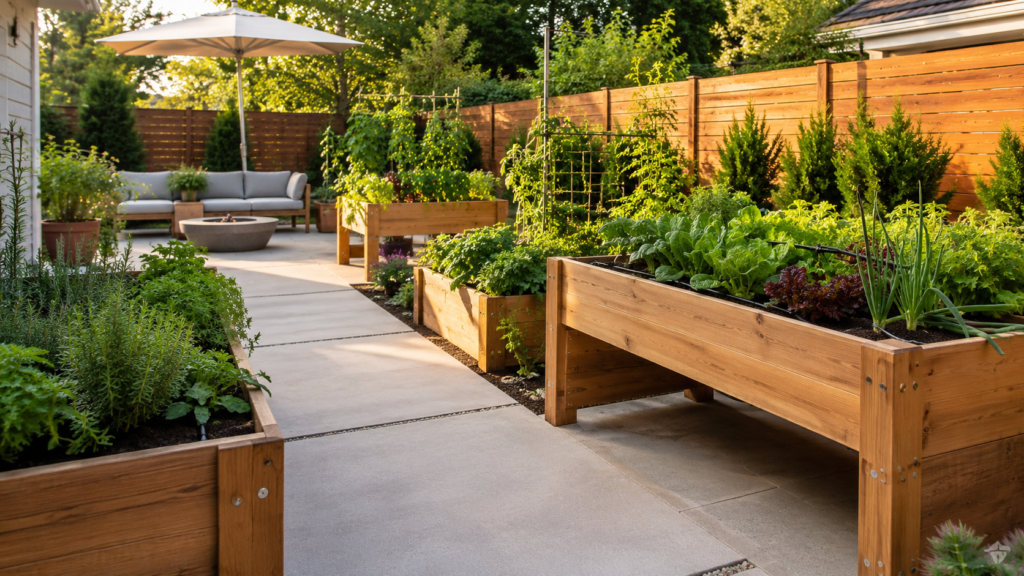
Accessible raised garden bed ideas can make planting, watering, weeding, and harvesting easier for people who find bending, kneeling, reaching, standing, or moving around a traditional garden difficult. Useful designs include roll-under beds for wheelchair access, waist-high beds, narrow planters, U-shaped beds, elevated garden tables, wide-path layouts, and beds with seating or easy irrigation.
The best design depends on how the gardener works. Bed height matters, but so do reach distance, approach direction, path width, soil depth, water access, and mature plant size. For a home garden, published accessibility dimensions are useful planning references, but the final layout should fit the actual gardener.
Best Accessible Raised Garden Bed Ideas
The strongest accessible raised garden bed ideas solve a specific physical challenge rather than simply raising the soil higher.
- Wheelchair forward access: Roll-under bed
- Reduced bending: Waist-high bed
- Limited reach: Narrow raised bed
- Maximum reach efficiency: U-shaped bed
- Seated gardening: Elevated garden table
- Rest breaks: Bed with nearby seating
- Easy watering: Drip-irrigated bed
- Small-space growing: Trellis bed
- Mixed users: Tiered beds
- Community use: Mixed accessible layout
A simple rule works well: identify the hardest gardening task first, then choose the bed that reduces that difficulty. Someone who struggles with bending needs a different solution from someone using a wheelchair or someone with limited shoulder reach.
Which Accessible Raised Bed Is Best?
| Main Need | Best Starting Design |
|---|---|
| Wheelchair forward access | Roll-under bed |
| Reduced bending | Waist-high bed |
| Limited reach | Narrow bed |
| Access from both sides | Two-sided bed |
| Maximum reach | U-shaped bed |
| Corner garden | L-shaped bed |
| Seated work | Cutout or table bed |
| Easier watering | Drip-irrigated bed |
| Flexible patio | Mobile bed |
| Mixed users | Tiered beds |
Choose according to the gardener’s normal working position, reach, mobility, and stamina. The best bed removes the main barrier without creating another, such as making the bed too wide or blocking the path.
Accessible Raised Bed Fit Score
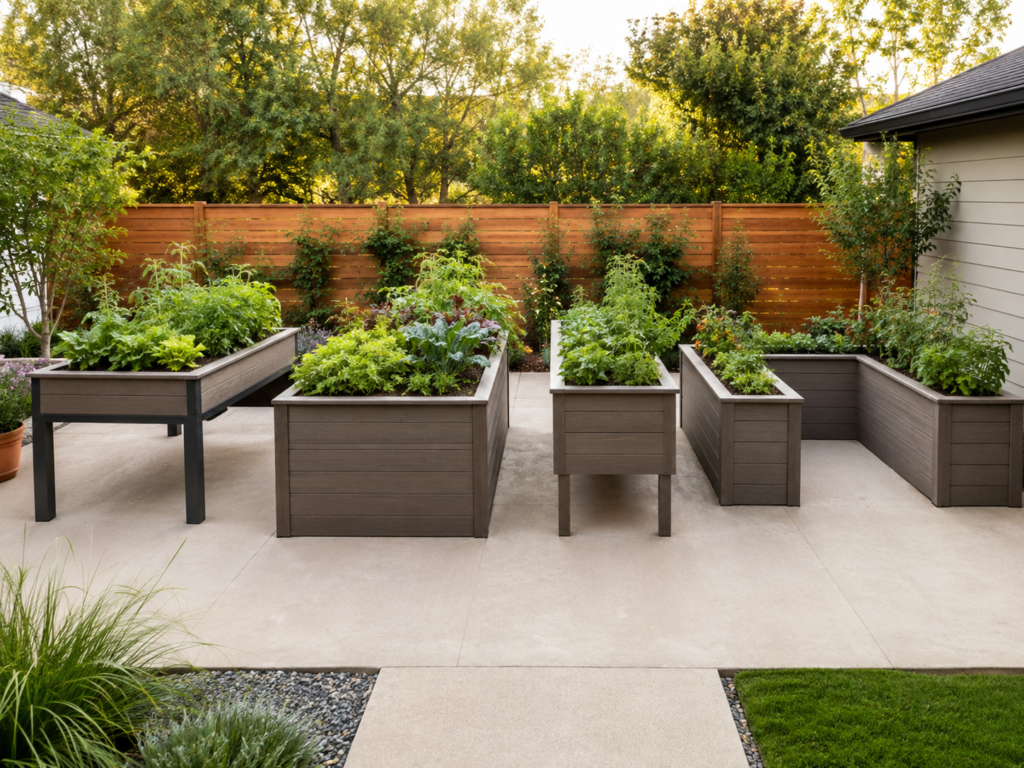
| Bed Style | Seated Access | Standing Access | Reach | Easy Build |
|---|---|---|---|---|
| Roll-under bed | 5/5 | 3/5 | 5/5 | 2/5 |
| Waist-high bed | 3/5 | 5/5 | 4/5 | 4/5 |
| Narrow bed | 4/5 | 5/5 | 5/5 | 5/5 |
| Two-sided bed | 3/5 | 4/5 | 3/5 | 5/5 |
| U-shaped bed | 5/5 | 4/5 | 5/5 | 2/5 |
| Wheelchair cutout | 5/5 | 3/5 | 5/5 | 2/5 |
| Garden table | 5/5 | 3/5 | 5/5 | 4/5 |
| Mobile bed | 3/5 | 4/5 | 4/5 | 3/5 |
These scores are a practical comparison, not formal accessibility ratings. Focus on the category that matters most to the gardener.
Accessible Raised Garden Bed Ideas by Approach
| Gardener Approach | Best Design | Main Priority |
|---|---|---|
| Standing | Waist-high bed | Less bending |
| Seated side access | Narrow elevated bed | Short reach |
| Wheelchair forward | Roll-under bed | Leg clearance |
| Limited reach | 18–24 in. bed | Reduced depth |
| Walker-assisted | Narrow bed + firm path | Stable access |
| Frequent rest needed | Bed + bench | Lower fatigue |
| Mixed household | Multiple heights | Flexible use |
Before construction, test four actions: approach, reach, turn, and leave. If any of those feel difficult, change the design before building.
1. Roll-Under Raised Garden Bed
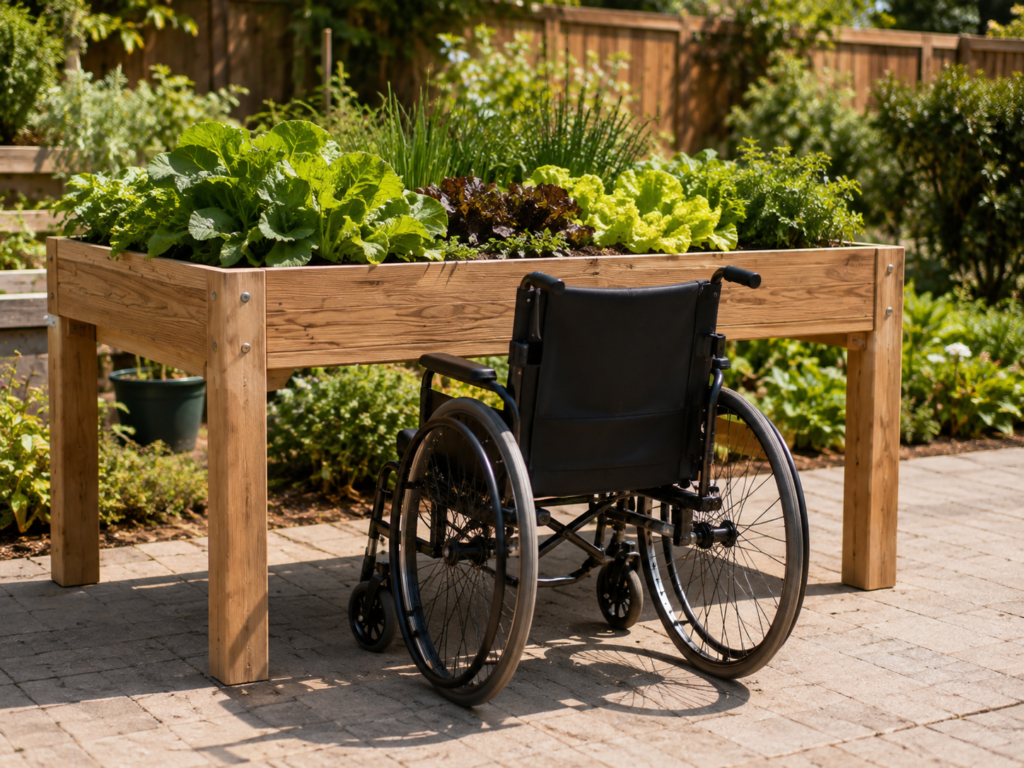
A roll-under bed is one of the best options for wheelchair users and seated gardeners. The growing tray sits on legs or a recessed frame so knees and the front of a mobility aid can move closer to the plants.
Keep the underside clear of shelves and braces. Use smooth corners, stable framing, reachable irrigation, and a planting zone shallow enough for comfortable forward reach.
- Best for forward wheelchair access
- Keep high-use crops near the front
- Direct drainage away from the gardener
Best for: wheelchair users and seated gardeners.
2. Waist-High Raised Garden Bed
A waist-high bed reduces bending and kneeling for gardeners who prefer to work while standing. There is no single perfect height because stature, arm length, and preferred posture differ.
Before building, test the proposed height with a table, workbench, or stacked boxes. Pretend to plant, weed, water, and harvest. The gardener should not need to raise the shoulders or lean excessively.
Best for: people who can stand comfortably but want to reduce bending.
3. Narrow Accessible Raised Bed
A narrow bed reduces reach distance. For one-sided access, around 2 feet wide is a useful maximum reference, while some seated gardeners may prefer an 18-inch planting zone.
This design works well along:
- Fences
- Patios
- Driveways
- Side yards
- Accessible paths
Keep frequently harvested crops near the working edge.
Best for: limited reach and one-sided access.
4. Two-Sided Accessible Raised Bed
A bed around 4 feet wide can work when both long sides remain accessible because the gardener only needs to reach roughly halfway across.
The key is keeping both paths open. If one side later becomes blocked by a fence, storage, or another planter, the center may become difficult to reach.
Best for: open gardens, families, and shared growing spaces.
5. U-Shaped Accessible Raised Bed
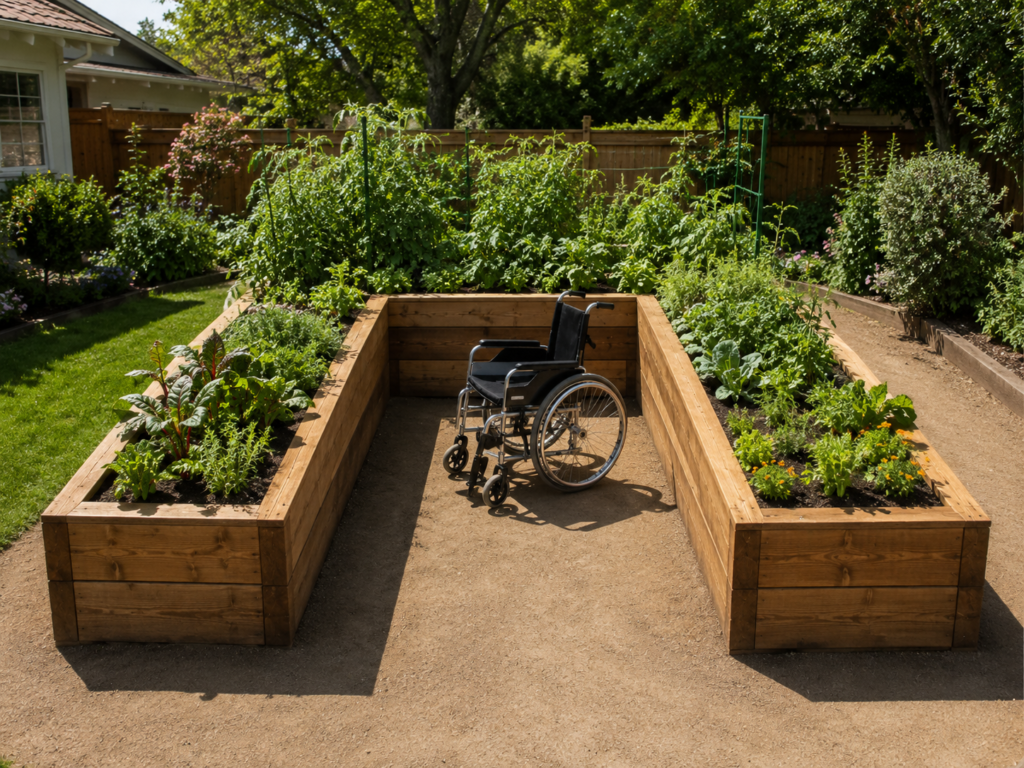
A U-shaped bed places growing space around the gardener. The center opening allows access to plants on the left, right, and front without repeatedly walking around a large rectangle.
Make the opening wide enough for the intended wheelchair, walker, chair, or helper. Keep the arms of the U narrow enough for comfortable reach.
Best for: larger accessible gardens where maximum planting space needs to stay close to the gardener.
6. L-Shaped Accessible Raised Bed
An L-shaped bed works well around patio corners and open circulation areas. It provides more growing area than one straight planter without enclosing the gardener as much as a U-shaped design.
One arm can grow herbs and greens while the other holds vegetables or flowers. Keep both sections narrow enough to reach easily.
Best for: corners, compact backyards, and gardens where turning space must stay open.
7. Wheelchair Cutout Raised Bed
A wheelchair cutout creates a recessed working area in the bed. The gardener moves partly into the planter footprint, bringing plants closer from the left, right, and front.
Keep the opening clear of braces and use smooth inner corners. Avoid large plants that will eventually grow into the access area.
Best for: seated gardeners who want close access from several directions.
8. Elevated Herb Garden Table
An elevated garden table places shallow-rooted crops at a comfortable height while leaving leg space underneath.
Good crops include:
- Lettuce
- Herbs
- Radishes
- Green onions
- Strawberries
- Compact flowers
Because the soil volume is smaller, moisture can change faster in hot weather. Provide free drainage without creating slippery runoff beneath the table.
Best for: seated gardeners and frequently harvested crops.
9. Raised Bed With a Resting Bench
Nearby seating can be as important as bed height for gardeners who tire easily or prefer shorter working sessions.
Place a stable bench at the bed end or beside the main working area. It should not narrow the path. Shade, back support, nearby water, and a small tool shelf can make the space more comfortable.
Best for: gardeners who benefit from regular rest breaks.
10. Self-Watering Accessible Raised Bed
Watering can require repeated carrying, hose handling, and bending. Drip irrigation or another easy watering system can reduce this daily workload.
Useful options include:
- Drip tubing
- Lightweight hose
- Automatic timer
- Easy-turn valves
- Raised water connections
- Self-watering reservoirs
Keep valves and controls beside the normal working path rather than behind the bed.
Best for: reducing daily watering effort.
11. Accessible Trellis Raised Bed
A trellis increases growing space without making the bed wider. Peas, beans, cucumbers, and other climbing crops can grow vertically.
The important factor is harvest height. Do not build a trellis so tall that fruit becomes difficult to reach. Lower or angled supports may be better for seated gardeners.
Best for: narrow beds and small-space vegetable gardens.
12. Mobile Accessible Raised Bed
A wheeled raised bed can move closer to a door, into seasonal sunlight, or temporarily out of the way when more turning space is needed.
Use:
- Heavy-duty casters
- Locking wheels
- Strong framing
- Stable proportions
Wet soil is very heavy, so small decorative wheels may not provide useful mobility.
Best for: patios, decks, and flexible garden layouts.
13. Tiered Accessible Raised Bed
Tiered beds provide several working heights in one structure. They can work well in multigenerational gardens or spaces used by both standing and seated gardeners.
Place the highest-maintenance plants on the easiest tier. Do not let upper levels block access to lower planting areas.
Best for: mixed households and shared gardens.
14. Raised Bed With Wide Paths
An accessible planter is only useful when the gardener can reach it.
Paths should be:
- Firm
- Stable
- Even
- Well drained
- Free from hoses and tools
A 36-inch clear route is a useful formal accessibility reference, although home gardens often benefit from wider paths near corners, gates, and bed ends.
Best for: every accessible garden.
15. Accessible Community Garden Beds
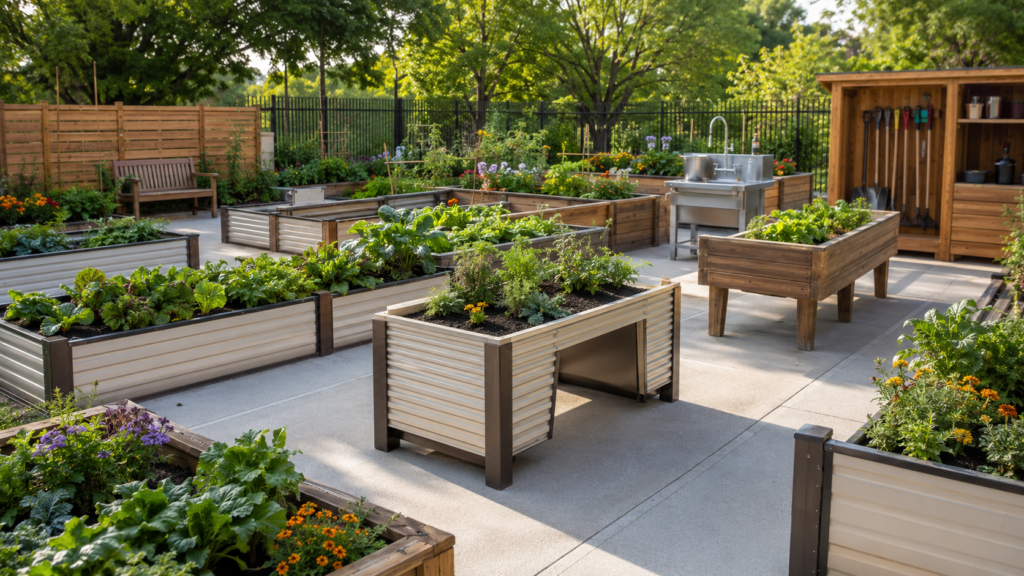
A community garden should offer more than one accessible bed style. Different gardeners may need different heights, approach types, turning space, or seating.
A strong shared layout may include:
- Roll-under beds
- Narrow beds
- Multiple heights
- Firm paths
- Accessible water
- Seating
- Tool storage
- Turning areas
Public, school, institutional, and community projects may have formal accessibility requirements, so applicable regulations and professional guidance should be followed.
Best for: shared and public growing spaces.
Best Height for Accessible Raised Garden Beds
The ideal height depends on whether the gardener works standing, seated, or from a wheelchair. Around 28–34 inches is one useful wheelchair-oriented reference, while standing beds may be closer to waist height.
Test the height before building. The gardener should be able to:
- Reach the soil comfortably
- Use tools without raised shoulders
- Harvest without excessive leaning
- Water without awkward movement
A roll-under bed also needs enough open space below the growing tray.
Decision rule: choose height according to the gardener’s working posture, not a universal number.
Best Width for Accessible Raised Beds
Reach should determine bed width.
A useful starting guide is:
- One-sided access: about 2 feet maximum
- Two-sided access: up to about 4 feet
- Limited seated reach: consider 18–24 inches
Wall thickness also matters. A thick stone or block edge adds distance between the gardener and the soil.
Decision rule: use the narrowest bed that provides enough growing space for the planned crops.
Best Depth for Accessible Raised Beds
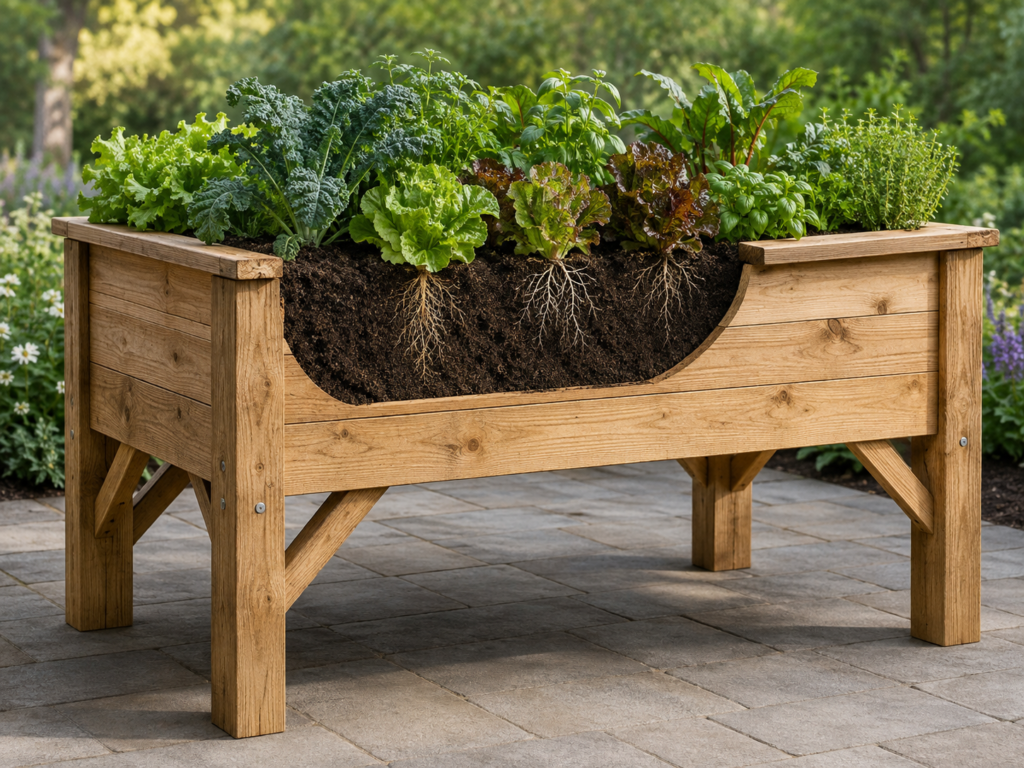
Bed height and soil depth are different.
Bed height determines the gardener’s working position. Soil depth determines how much room plant roots receive.
Shallow crops such as herbs and greens can work in elevated garden tables, while larger vegetables need more root space. Around 18–24 inches of soil can provide generous rooting room for many raised-bed situations, but the required depth should match the crops.
Also consider:
- Filled weight
- Drainage
- Structural strength
- Cost of growing mix
Decision rule: choose bed height for the gardener and soil depth for the plants.
Best Path Width for Accessible Gardens
Garden paths should allow the gardener to move without brushing against beds, plants, hoses, or furniture.
A 36-inch clear width is an important formal accessibility reference, but wider areas can be helpful at:
- Corners
- Gates
- Bed ends
- Water points
- Seating
- Dead ends
A 60-inch circular area is also a useful reference where wheelchair turning space is needed.
Measure the path after considering mature foliage, not just when the garden is empty.
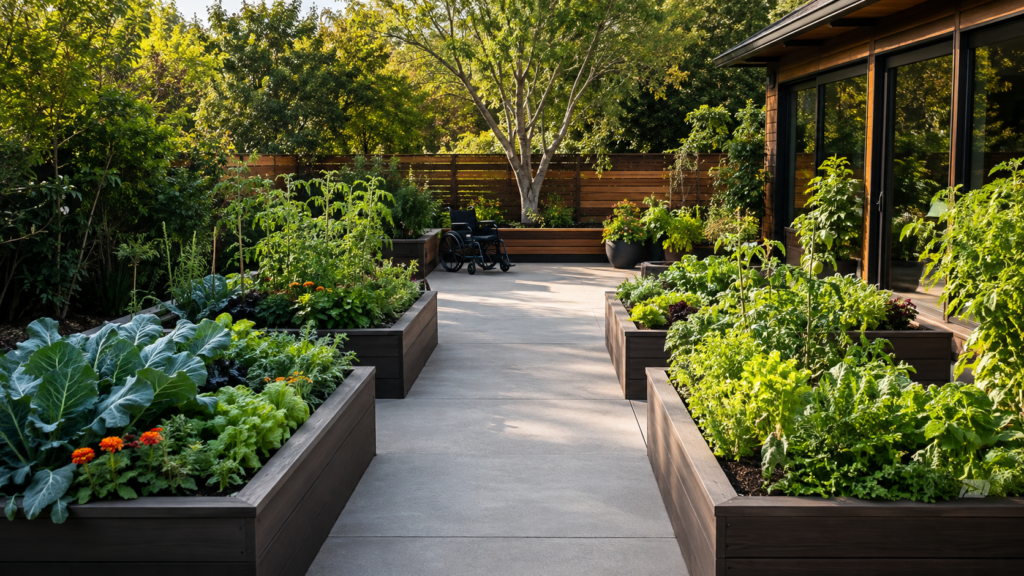
Best Path Surfaces for Accessible Gardens
Choose a path surface that remains firm, stable, even, and well drained.
Possible options include:
- Smooth concrete
- Properly installed pavers
- Stable decking
- Firm compacted surfaces
Deep loose gravel and thick mulch may increase rolling effort.
Also watch for settlement, raised paver edges, algae, roots, and irrigation leaks over time.
Decision rule: choose the surface that will stay predictable throughout the growing season.
Best Materials for Accessible Raised Beds
Material matters less than final dimensions, but it affects wall thickness, edge comfort, and maintenance.
- Wood: easy to customize
- Metal: thin walls and modern appearance
- Composite: lower refinishing needs
- Masonry: strong but often thicker
A thick wall can increase reach distance, while a thin edge may be less comfortable to lean against.
Decision rule: choose the height, width, and approach first; choose the material second.
Best Plants for Accessible Raised Beds
Put frequently handled crops in the easiest-to-reach areas.
Closest zone
- Herbs
- Lettuce
- Strawberries
- Radishes
- Green onions
Middle zone
- Bush beans
- Compact peppers
- Manageable vegetables
Farthest zone
Use for crops needing less frequent attention.
Avoid placing tall plants in front of shorter crops, and keep trellised harvests within comfortable reach.
Decision rule: organize plants by how often they need to be touched.
Accessible Raised Bed Watering and Tools
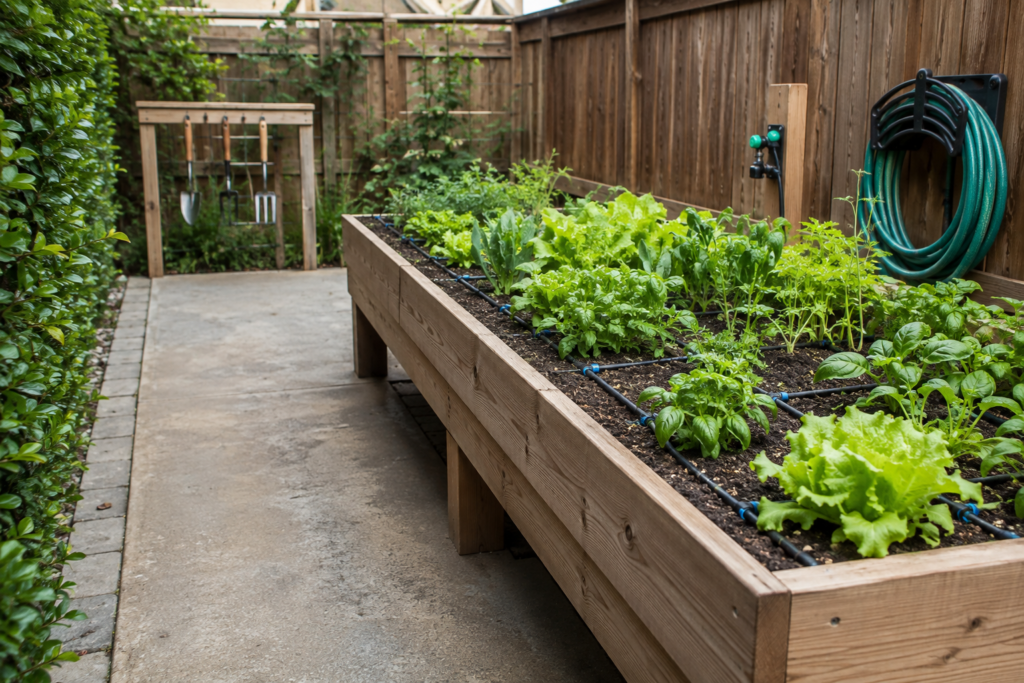
Keep water and frequently used tools close to the main working area.
Useful additions include:
- Drip irrigation
- Lightweight hose
- Easy-turn valve
- Automatic timer
- Tool rack
- Accessible storage
- Small work shelf
Do not store equipment beneath a roll-under bed if the space is needed for wheelchair clearance, and keep hoses away from paths.
The goal is to make daily maintenance as easy as reaching the plants.
Make Accessible Raised Beds Easier to Use
Small details can further improve usability after the major dimensions are correct.
Consider:
- High-contrast bed edges
- Large plant labels
- Tactile markers
- Easy-grip tools
- Lightweight tools
- Visible water controls
- Predictable paths
- Fragrant plants near key areas
- Smooth surface transitions
These features can improve visibility, orientation, grip, and general garden comfort without requiring major construction.
Accessible Raised Bed Mistakes to Avoid
Avoid these common mistakes:
- Making the bed too wide
- Choosing height without testing it
- Blocking roll-under clearance
- Building narrow paths
- Using unstable path surfaces
- Forgetting turning areas
- Placing water controls out of reach
- Putting high-use crops too far away
- Building trellises beyond comfortable reach
- Making unsupported ADA-compliance claims
A good final test is to follow the entire routine:
approach → garden → water → harvest → store tools → leave
If one stage is difficult, the layout still needs improvement.
Accessible Raised Garden Bed FAQs
What height should an accessible raised garden bed be?
There is no single perfect height. Around 28–34 inches can be a useful wheelchair-oriented reference, while standing gardeners may prefer waist-height beds.
How wide should an accessible raised garden bed be?
Use about 2 feet for one-sided access and up to 4 feet when both sides remain accessible. Limited-reach gardeners may prefer narrower beds.
Can a wheelchair fit under a raised garden bed?
Yes. A roll-under or table-style bed can leave open knee and leg space so a wheelchair can move closer to the growing area.
What is the best raised bed for someone who cannot bend?
A waist-high bed is usually a strong starting point. Test the height before building to make sure the gardener can work comfortably.
How wide should accessible garden paths be?
A 36-inch clear path is a useful formal accessibility reference. Wider paths are often easier around corners and bed ends.
How much wheelchair turning space is useful?
A 60-inch circular area is a common formal reference for turning space and can also help guide home layouts.
How deep should an accessible raised bed be?
Choose bed height for the gardener and soil depth for the plants. The two measurements do not need to be the same.
What is the best path surface for a wheelchair garden?
Choose a firm, stable, even surface. Smooth paving is generally easier to move across than deep loose gravel.
Are raised beds good for older gardeners?
Yes. Raised beds can reduce bending and kneeling, especially when combined with nearby seating and easy watering.
What vegetables work well in accessible raised beds?
Herbs, lettuce, radishes, green onions, strawberries, bush beans, and compact peppers are practical options because they can remain easy to reach.
Should an accessible raised bed have a trellis?
A trellis can save space, but keep the harvesting zone within the gardener’s comfortable reach.
Does a home garden have to follow ADA standards?
Not necessarily. ADA measurements can be useful planning references, but a private garden should not automatically be described as ADA-compliant.
Accessible Raised Bed Decision Matrix
| Main Need | Best Design |
|---|---|
| Wheelchair forward access | Roll-under bed |
| Seated side access | Narrow elevated bed |
| Reduced bending | Waist-high bed |
| Limited reach | 18–24 in. bed |
| More planting area | U-shaped bed |
| Corner garden | L-shaped bed |
| Herbs and greens | Garden table |
| Reduced fatigue | Bed with seating |
| Easier watering | Drip-irrigated bed |
| Vertical growing | Trellis bed |
| Flexible patio | Mobile bed |
| Mixed users | Tiered beds |
| Easy movement | Wide-path layout |
| Shared garden | Mixed accessible system |
For many home gardens, the best combination is simple: a narrow bed at a comfortable height beside a firm path, with nearby water and frequently harvested crops near the edge.
Accessible Raised Bed Checklist
Before building or buying a raised bed, check:
- Who will use it most?
- Will they sit or stand?
- Will a wheelchair or walker be used?
- What is their comfortable reach?
- Is access from one side or two?
- Is leg clearance needed?
- Is the height comfortable?
- Is the bed too wide?
- Is soil depth suitable for the crops?
- Are paths wide and firm?
- Is turning space available?
- Is water nearby?
- Are controls easy to reach?
- Can tools be stored close by?
- Will trellises remain reachable?
- Are high-use crops near the edge?
- Is seating useful?
- Will the layout work after plants mature?
A temporary mock-up using boxes, tables, or boards can reveal problems before permanent construction.
Final Thoughts on Accessible Raised Garden Bed Ideas
The best accessible raised garden bed ideas bring the soil, plants, water, and tools closer to the gardener instead of forcing the gardener to adapt to a standard garden layout.
A wheelchair user may benefit from a roll-under bed. Someone who wants to reduce bending may prefer a waist-high planter. A gardener with limited reach may get more value from an 18- to 24-inch planting zone than from simply raising a wide bed higher.
Focus on the essentials:
- Comfortable working height
- Short reach
- Suitable soil depth
- Clear approach
- Firm paths
- Turning space
- Easy watering
- Reachable tools
- Smart plant placement
For home gardens, personalize the design around the gardener. For public or regulated spaces, use the applicable accessibility standards and professional guidance.
Bring the garden to the gardener.
When the bed, path, plants, irrigation, and tools work together, gardening becomes easier to plant, maintain, harvest, and enjoy.

Myra is the founder and lead writer of Backyard Planter Ideas, where she shares practical, well-researched guidance on planter design, plant selection, and outdoor styling. Her goal is to help homeowners create attractive, functional garden spaces with clear, reliable, and easy-to-apply advice.